Things to see in Bali
The places most worth seeing in Bali are its temples, its rice terraces and its waterfalls. Tanah Lot and Uluwatu are the sunset temples on the sea, Tirta Empul and Ulun Danu Beratan sit inland, Tegallalang and Jatiluwih are the two great rice-terrace landscapes, and the north holds the tallest waterfalls. Add Ubud for dance, the Monkey Forest and the Campuhan ridge, and the hot springs of Lovina and Lake Batur. Below, the sights are grouped by type and by area.
Waterfalls in Bali: the complete guideCompare 36 waterfalls by price, walk, swimming and driving time.
CangguUbudUluwatuDenpasarLovinaAmedNusa PenidaMundukKintamaniNegaraAgungBatur
Indicative positions · open directions for the exact address
58 places
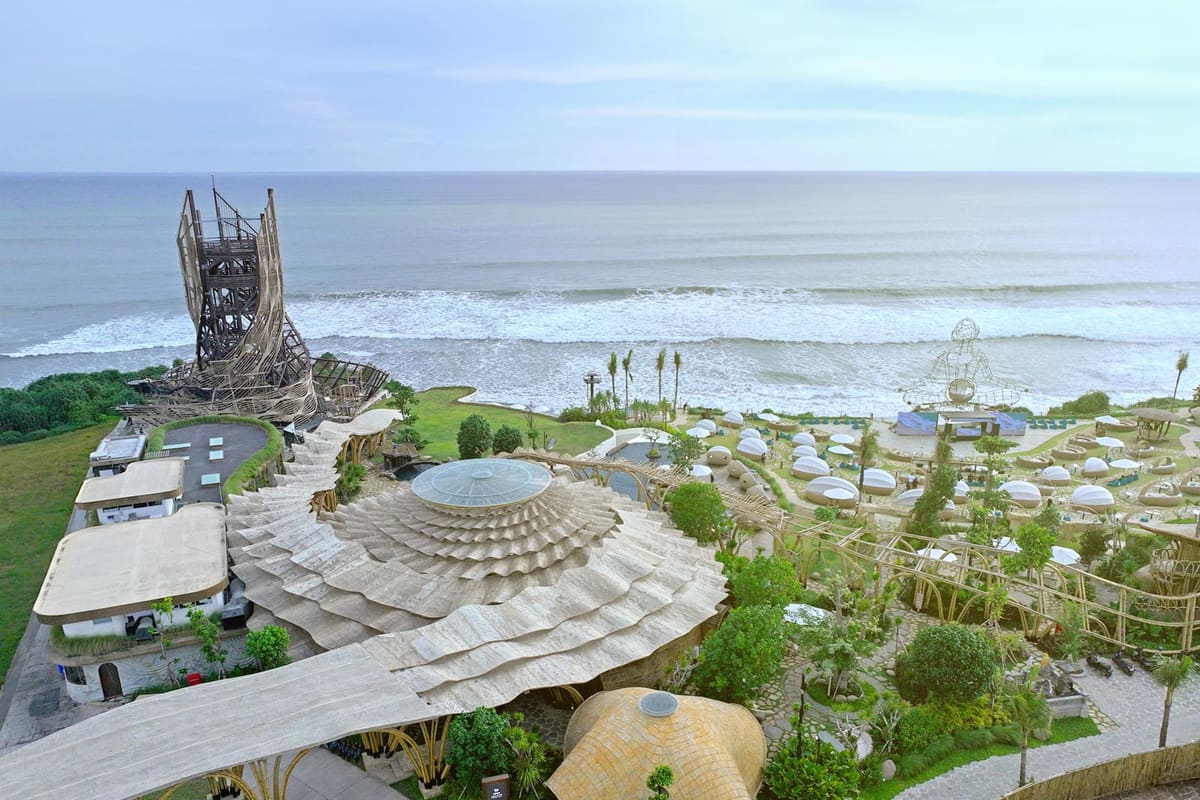
Nuanu Creative City
Creative park by the sea: art installations, an immersive dome, a magic garden and Luna beach club.
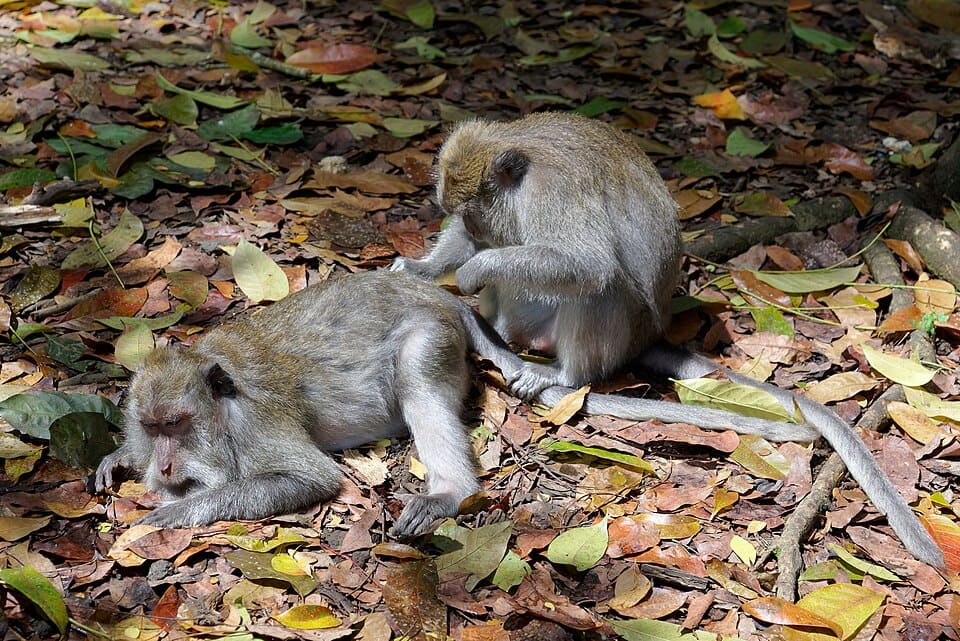
Sacred Monkey Forest Sanctuary
Jungle sanctuary with temples and hundreds of long-tailed macaques, in the heart of Ubud.
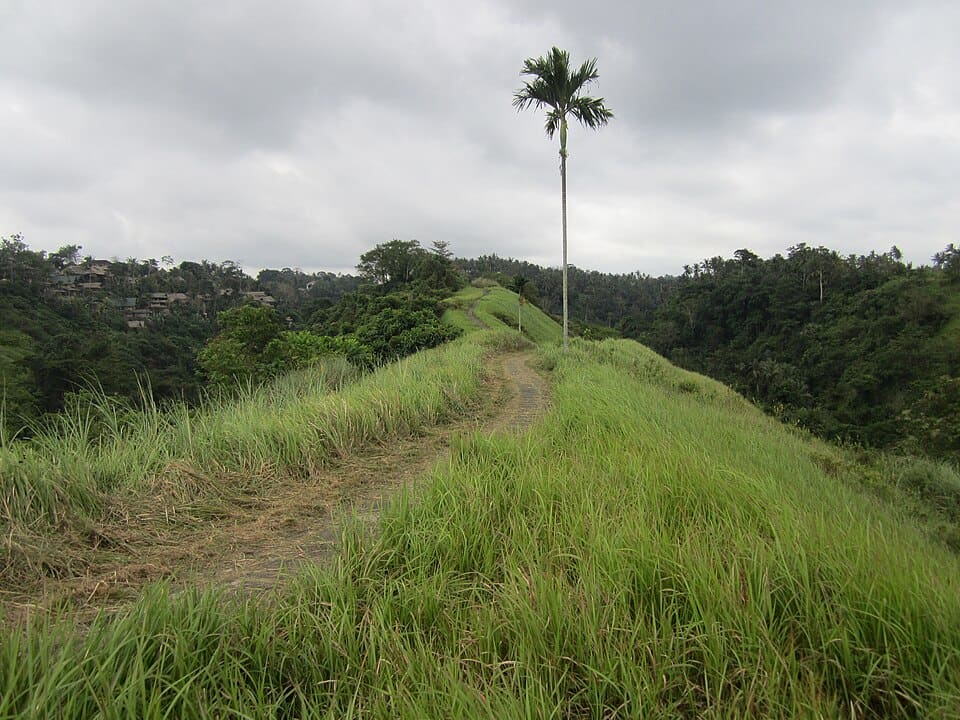
Campuhan Ridge Walk
Paved ridge path between two jungle valleys, best at sunrise. About 2.5 km return.
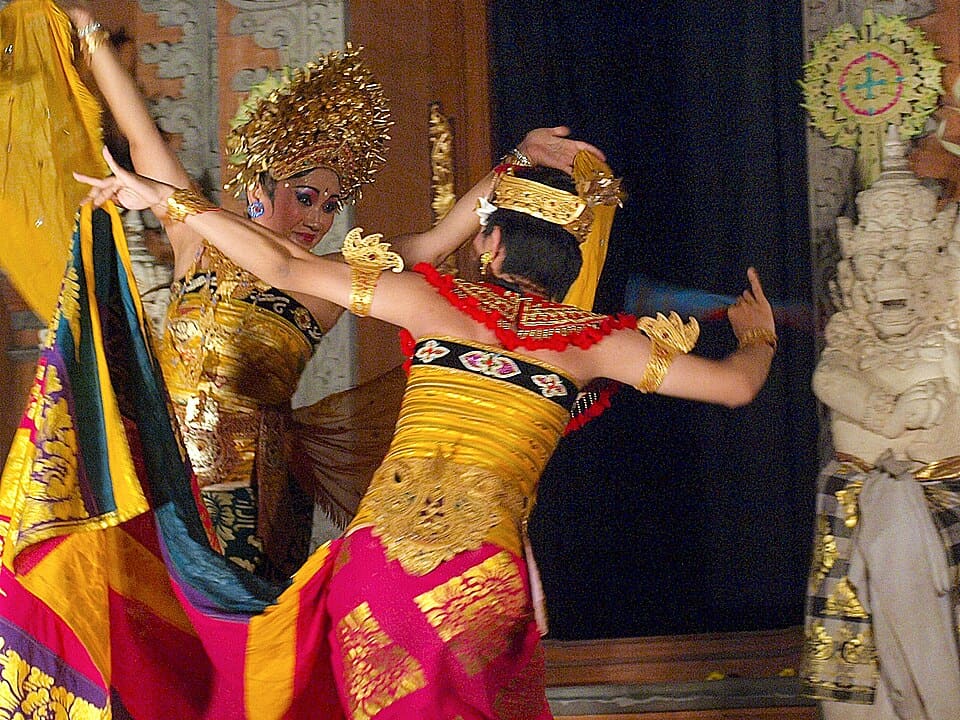
Legong dance at Ubud Palace
Balinese dance with gamelan in the royal palace courtyard, every night at 7:30pm.
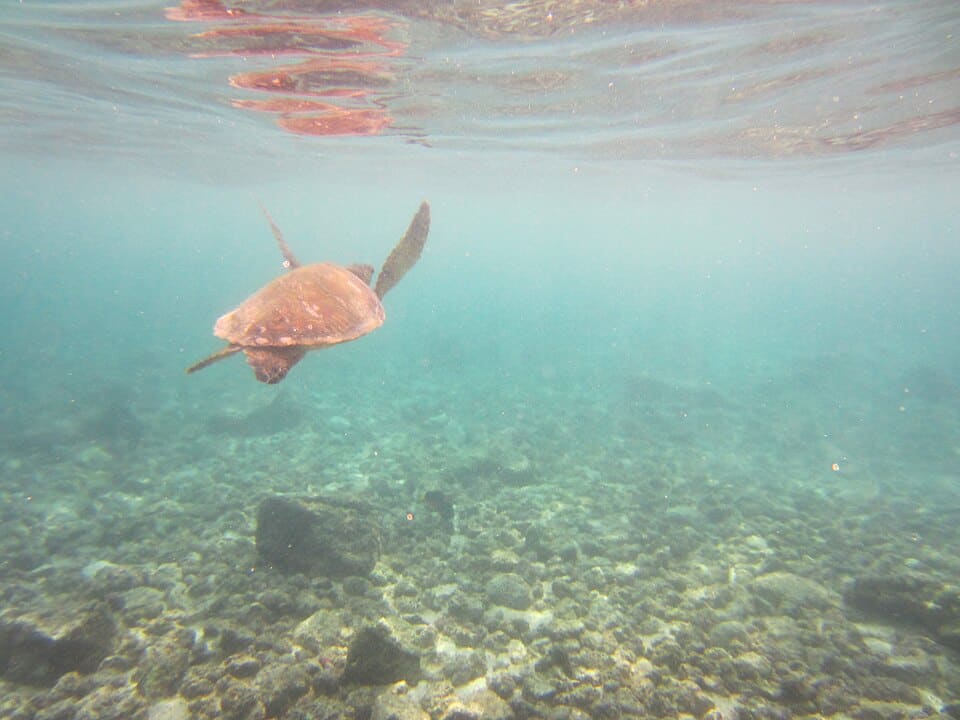
Turtle Point, Gili Trawangan
Stretch of the north-east coast where green turtles graze a few metres from the beach.
North80 m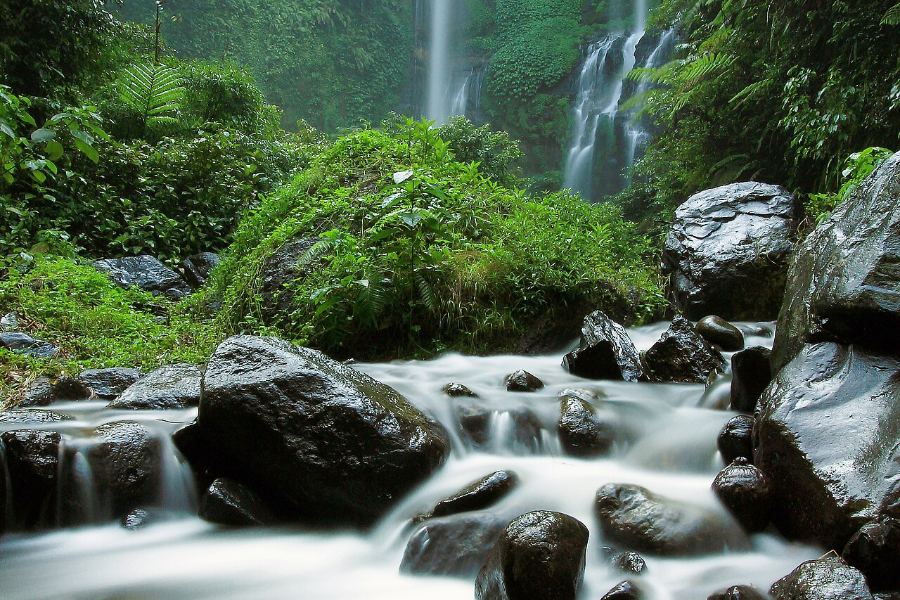
North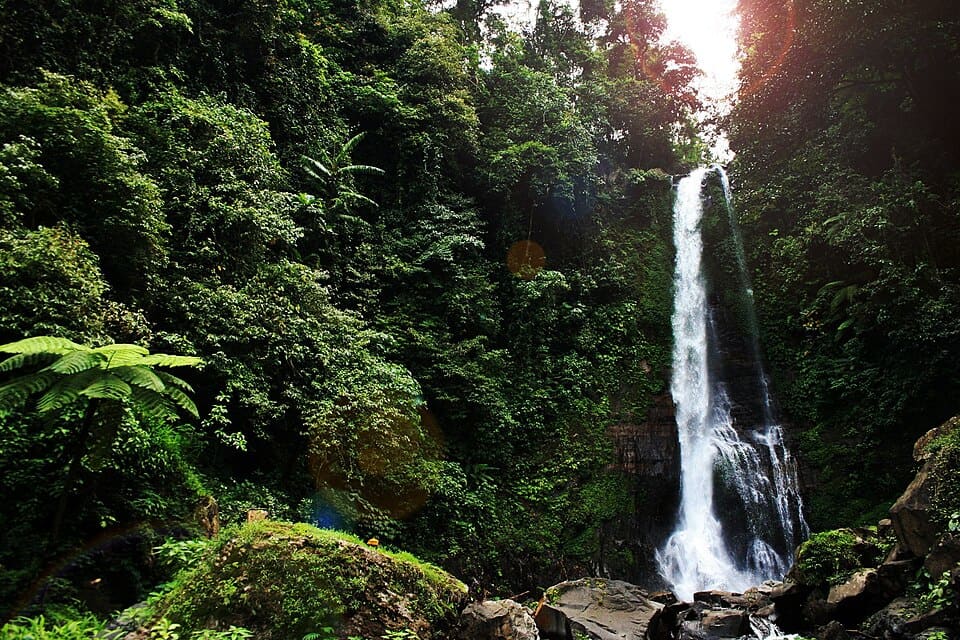
North35 m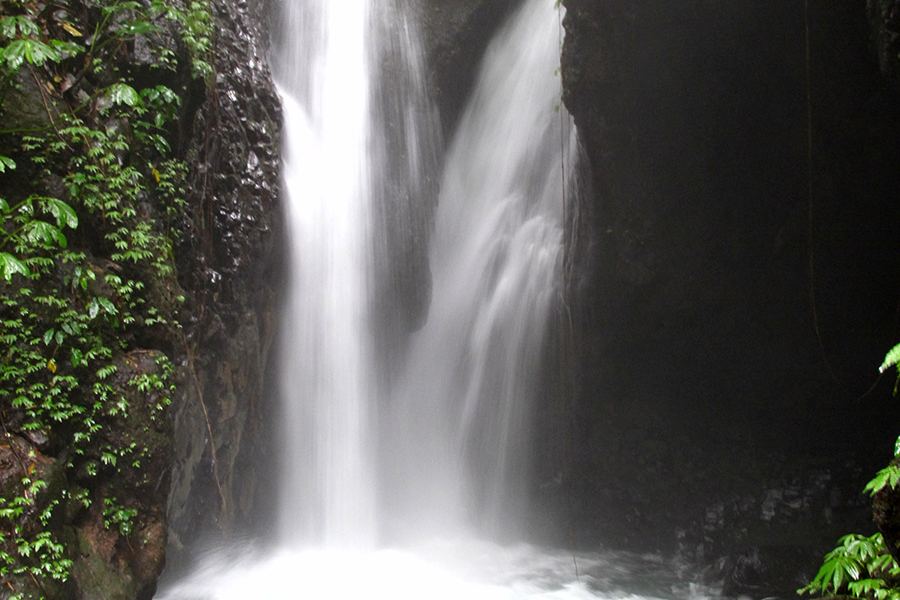
North35 m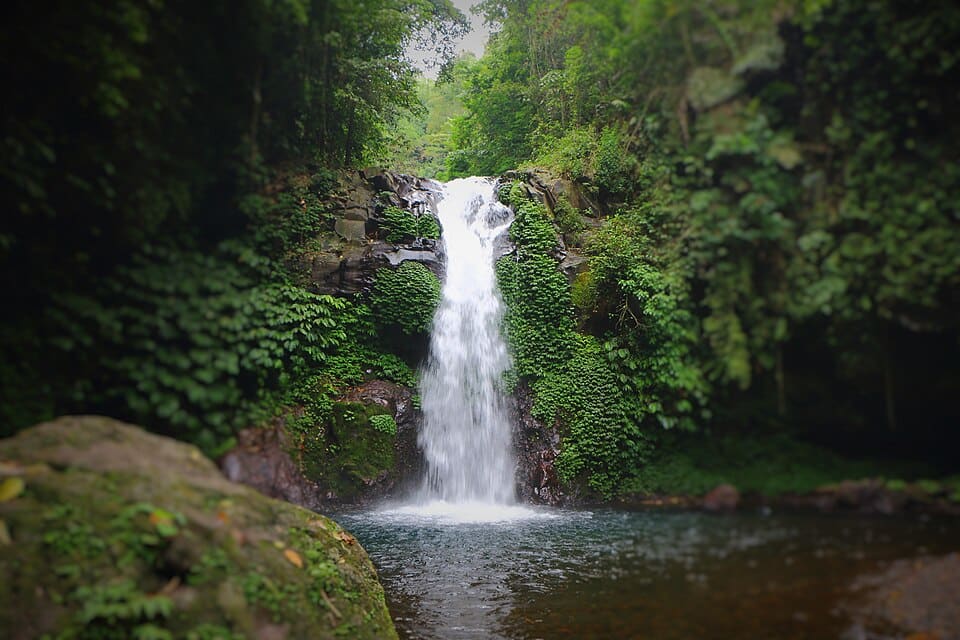
North12 m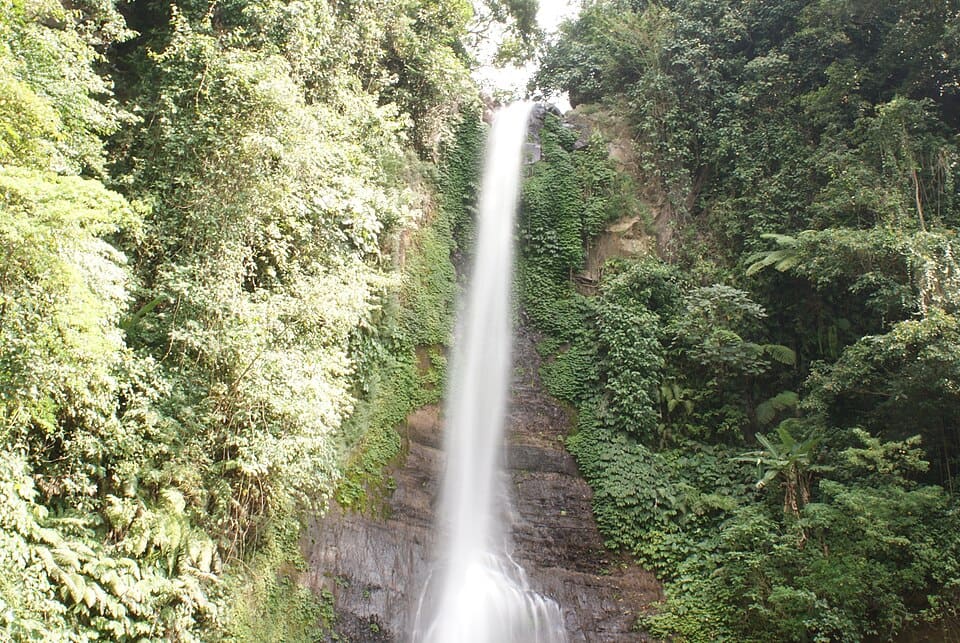
North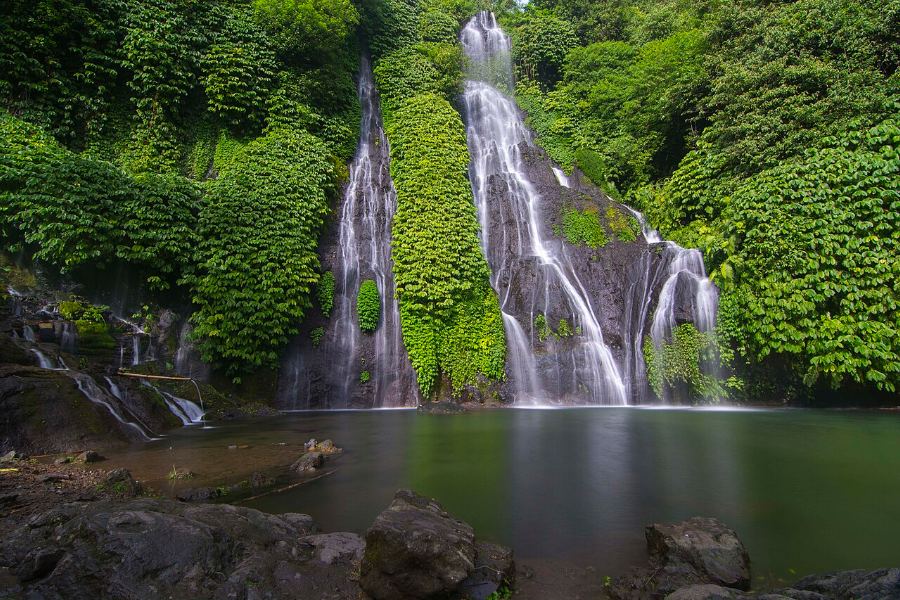
North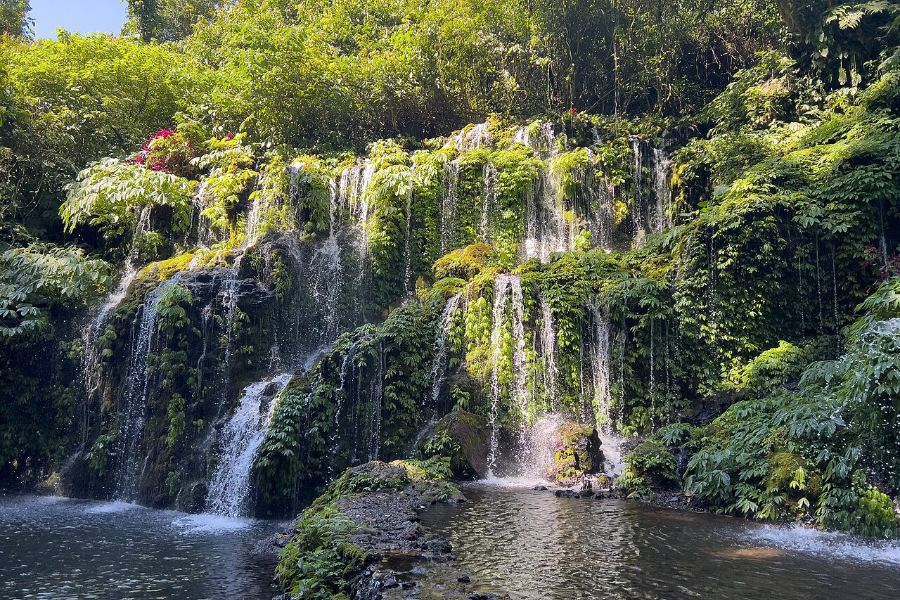
North50 m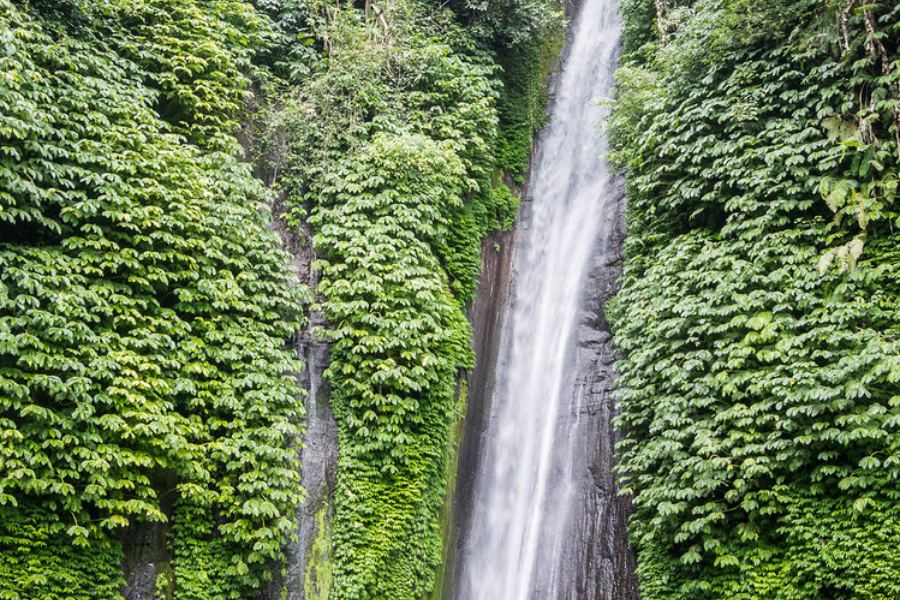
North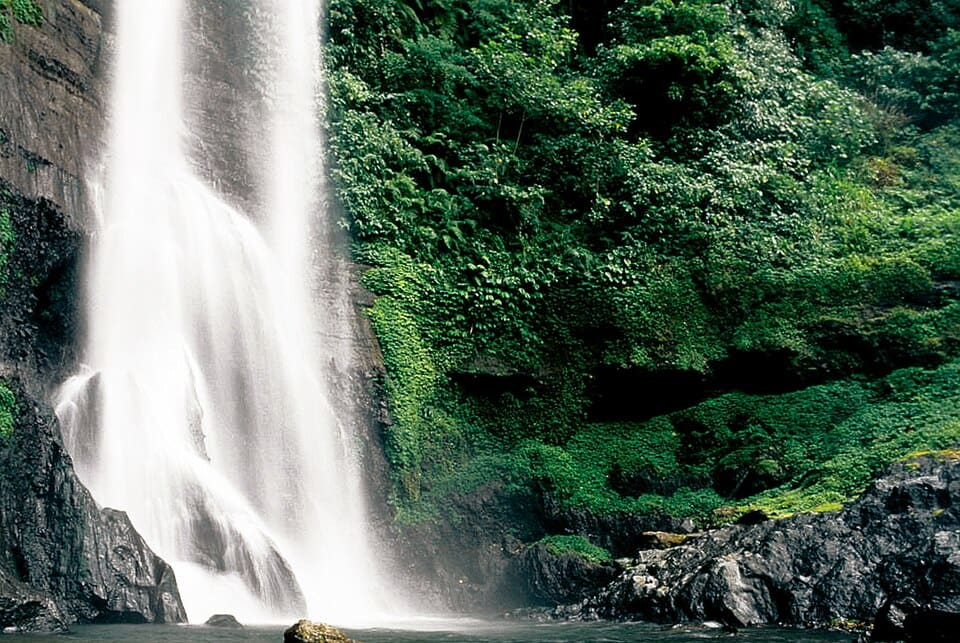
North
North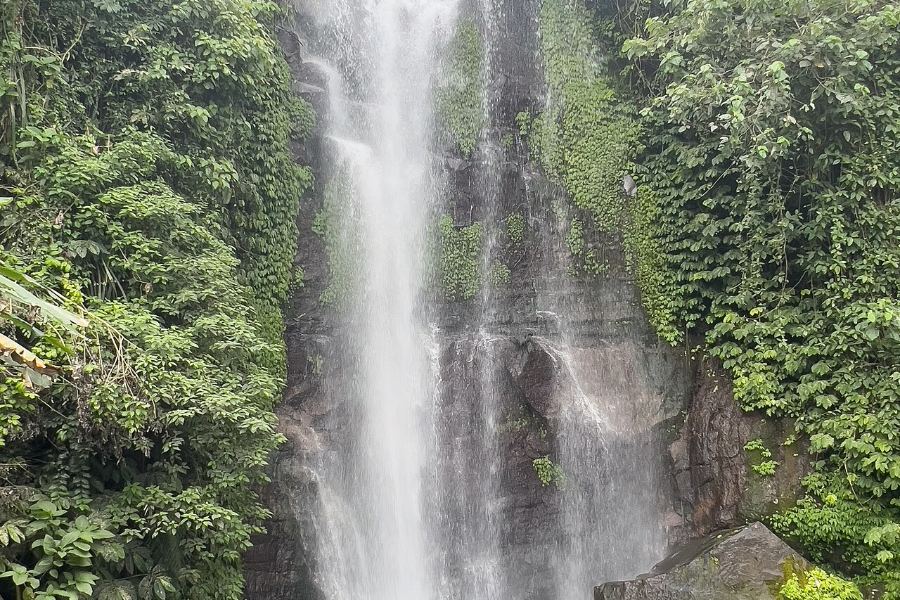
North15 m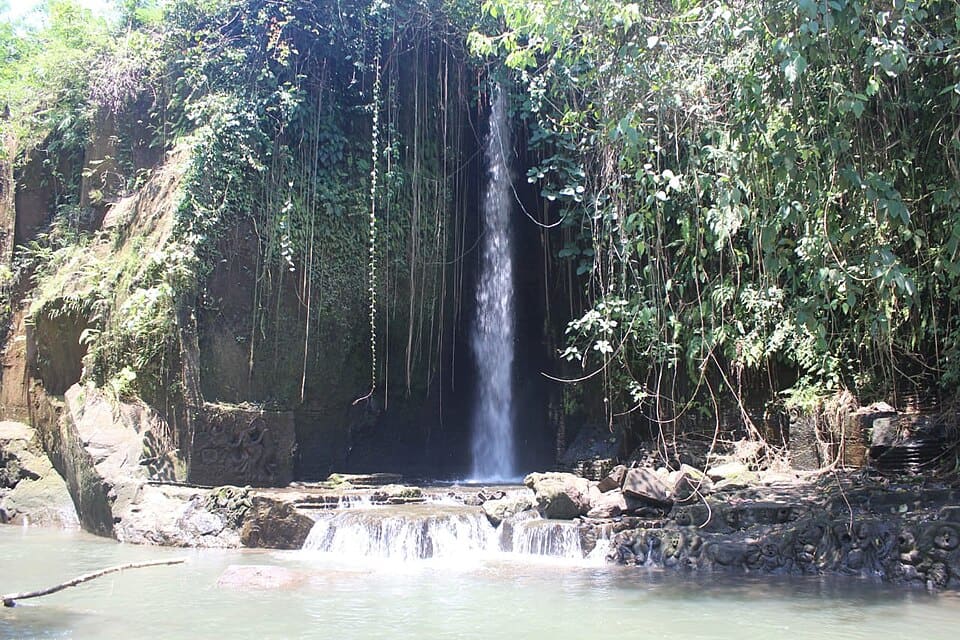
North-east30 m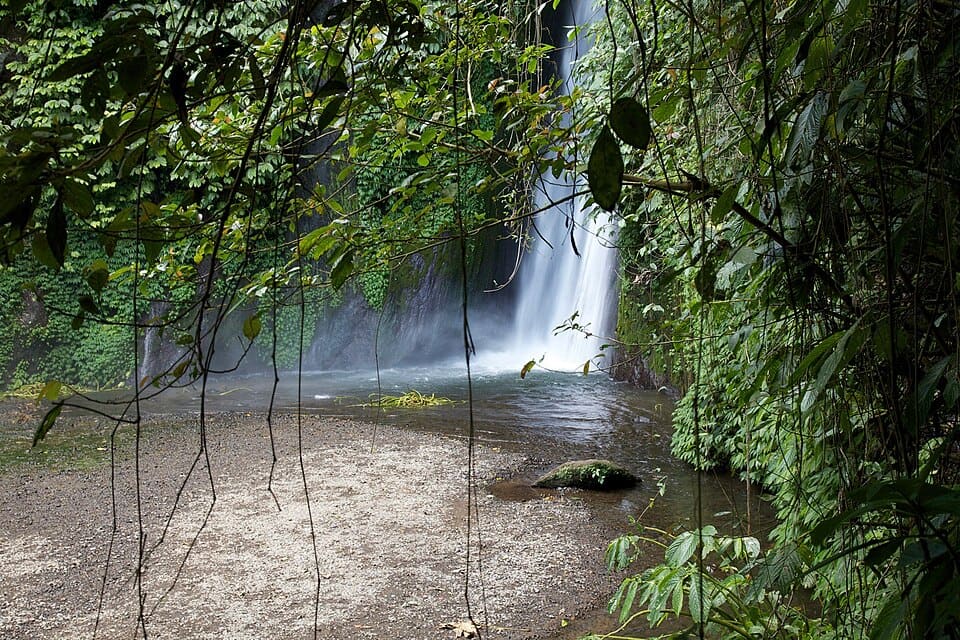
Ubud15 m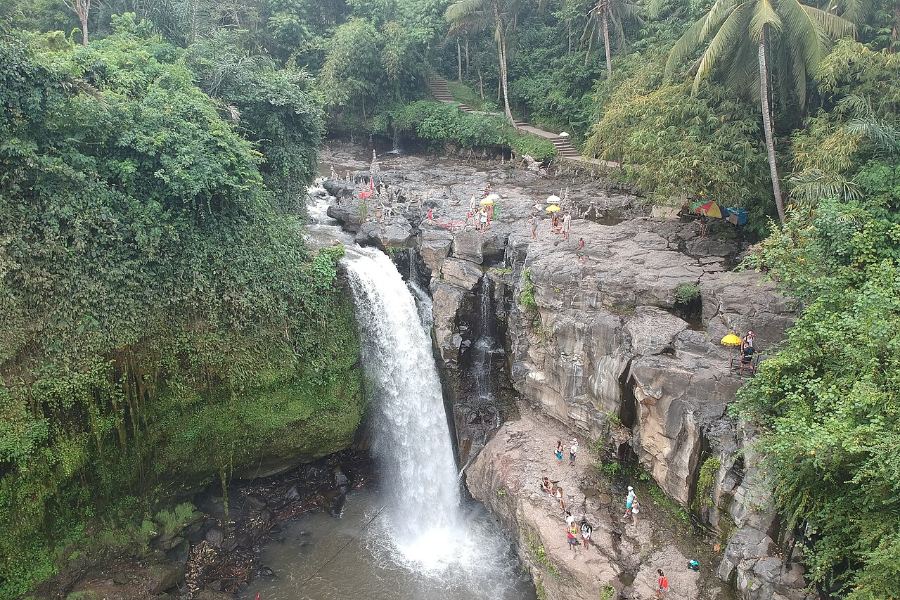
Ubud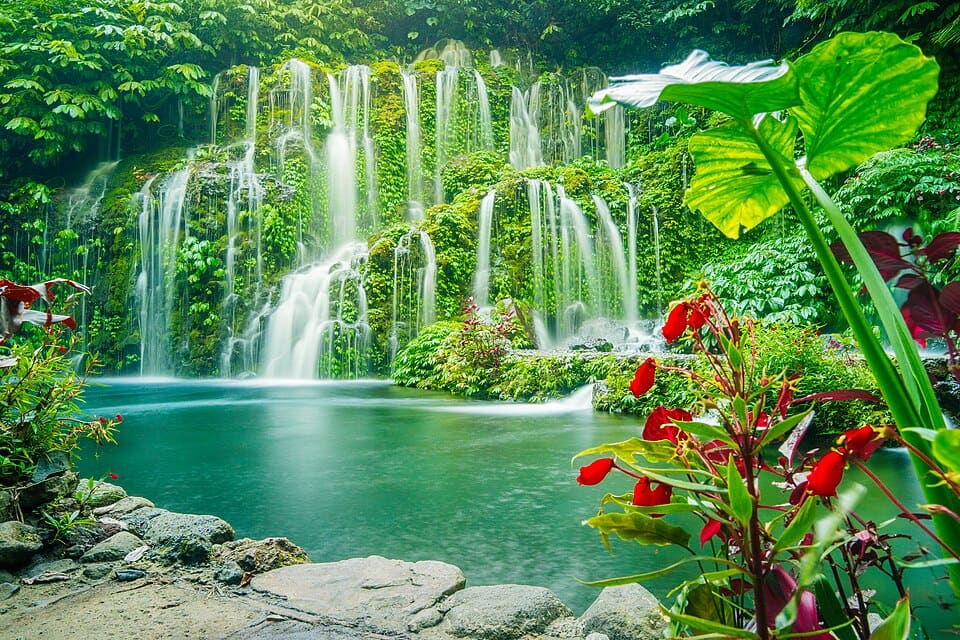
Ubud10 m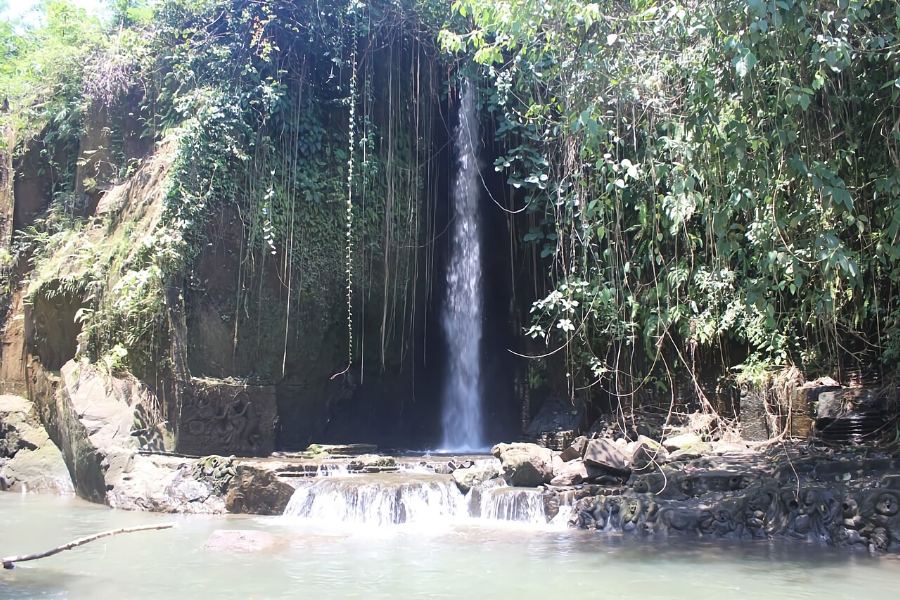
Ubud15 m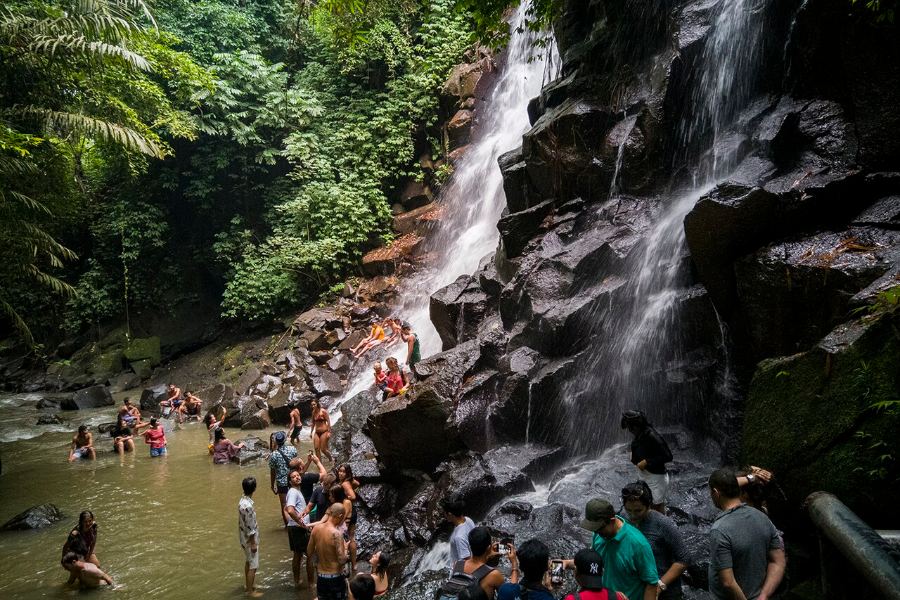
Ubud20 m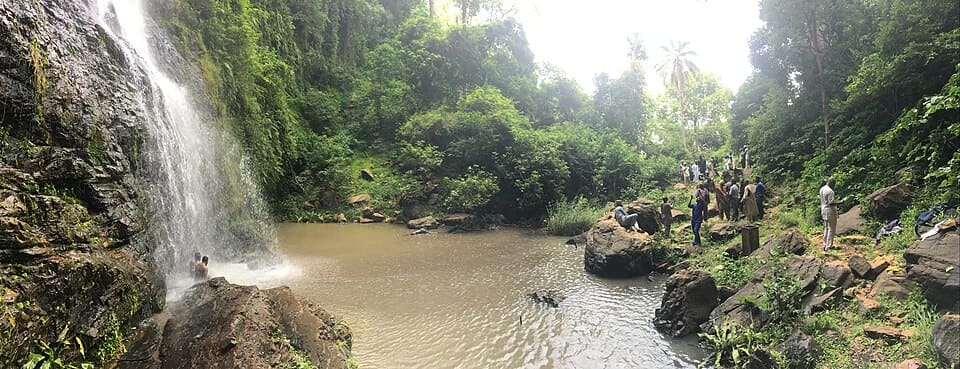
Ubud20 m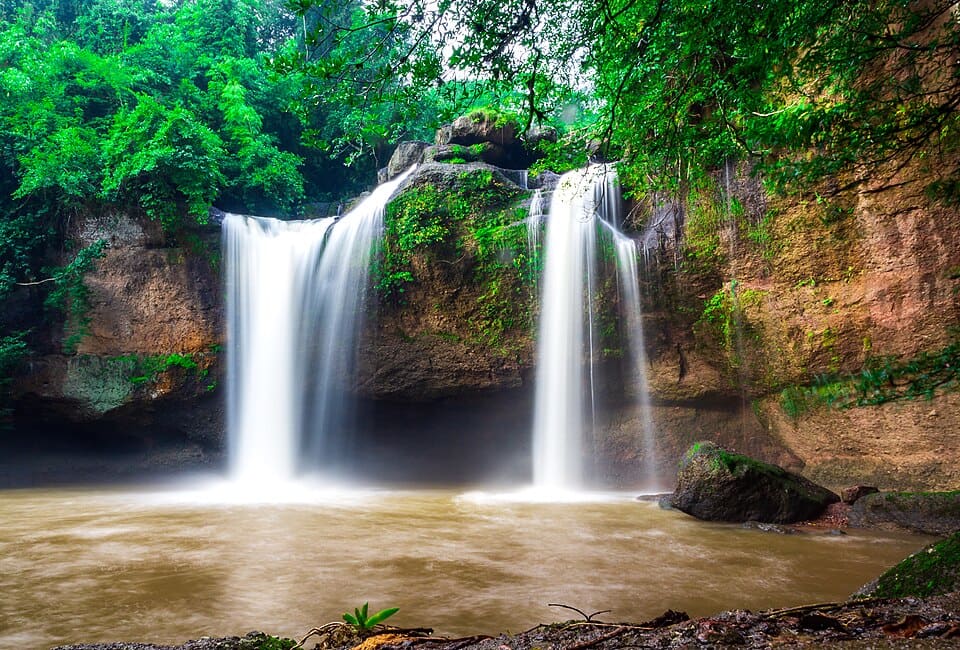
Ubud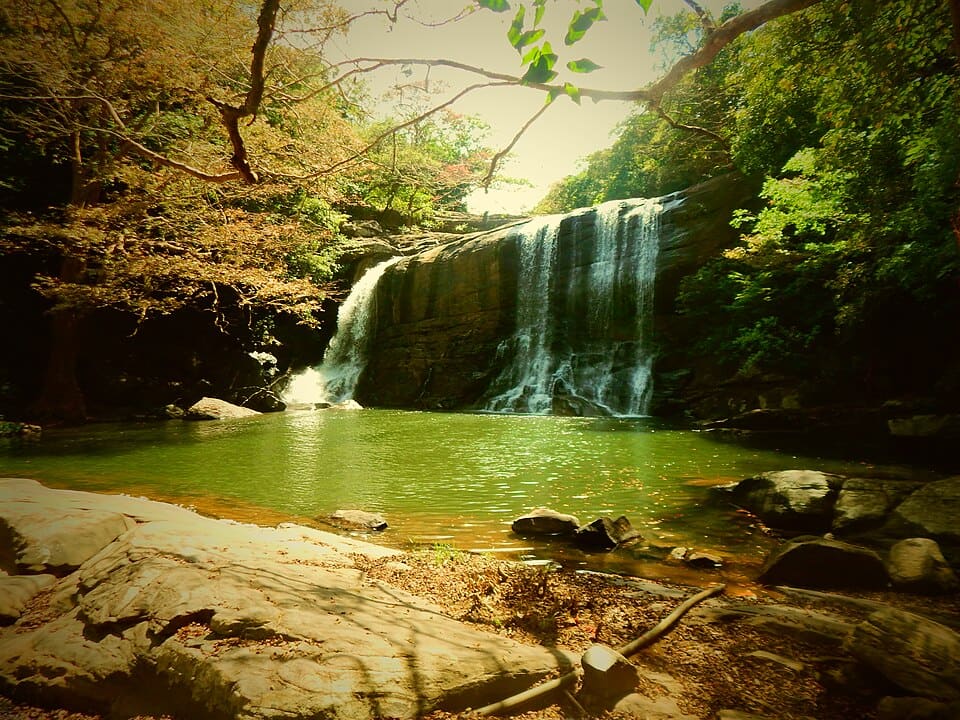
Ubud15 m
Ubud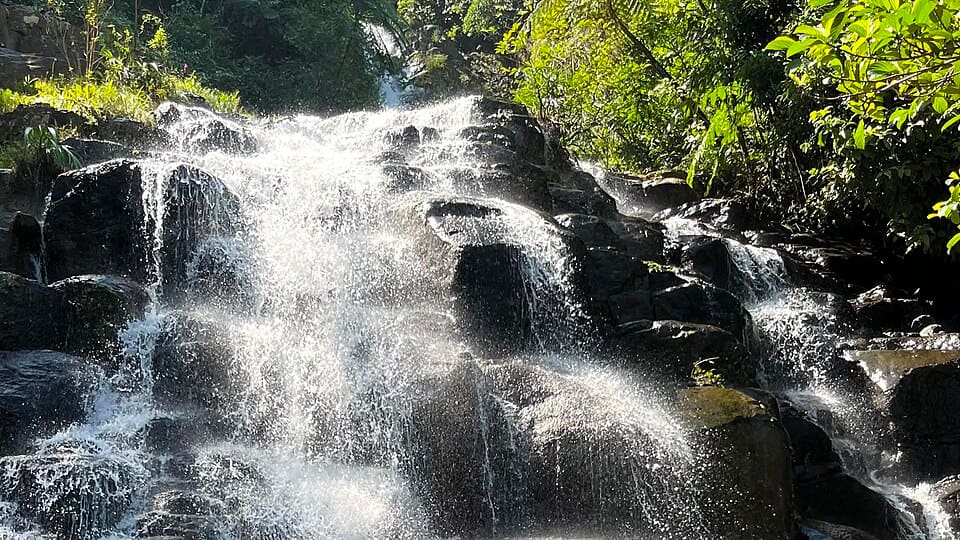
East15 m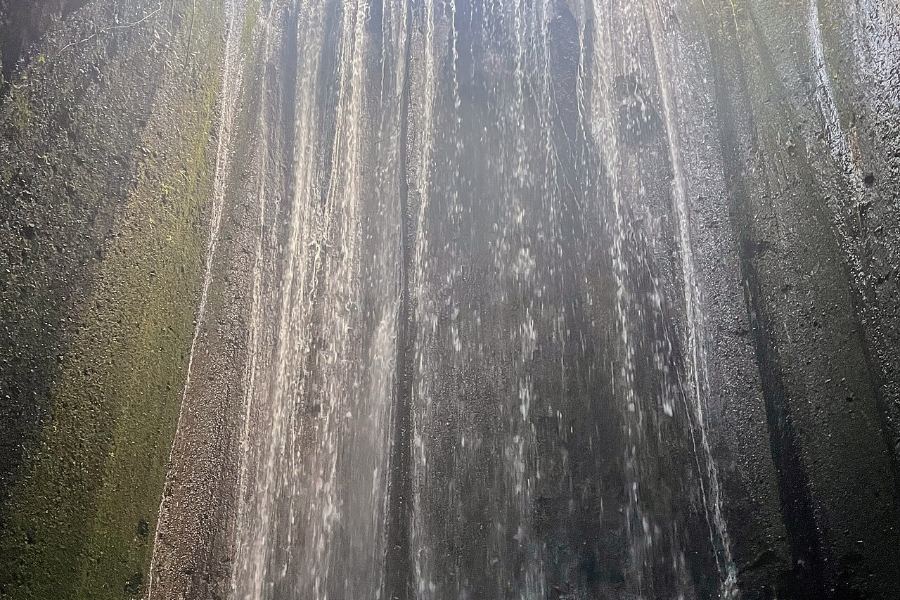
East25 m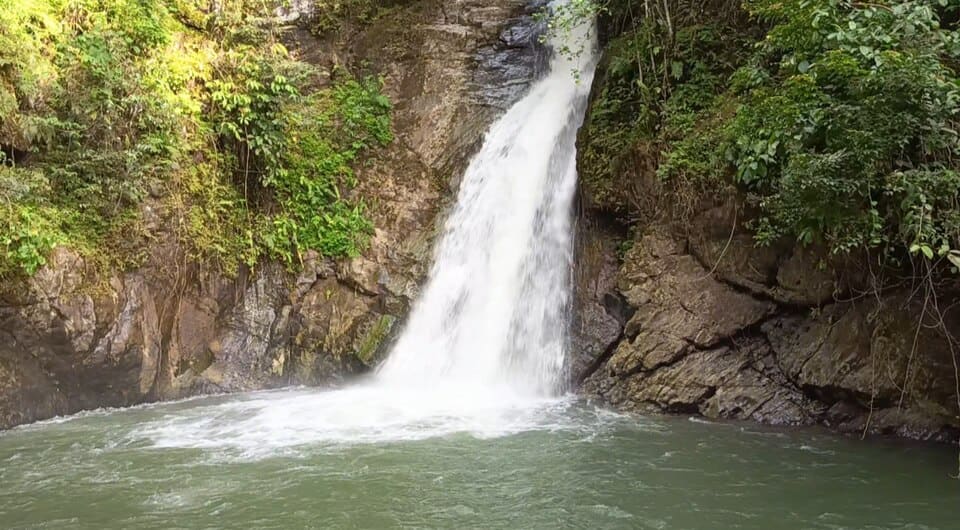
East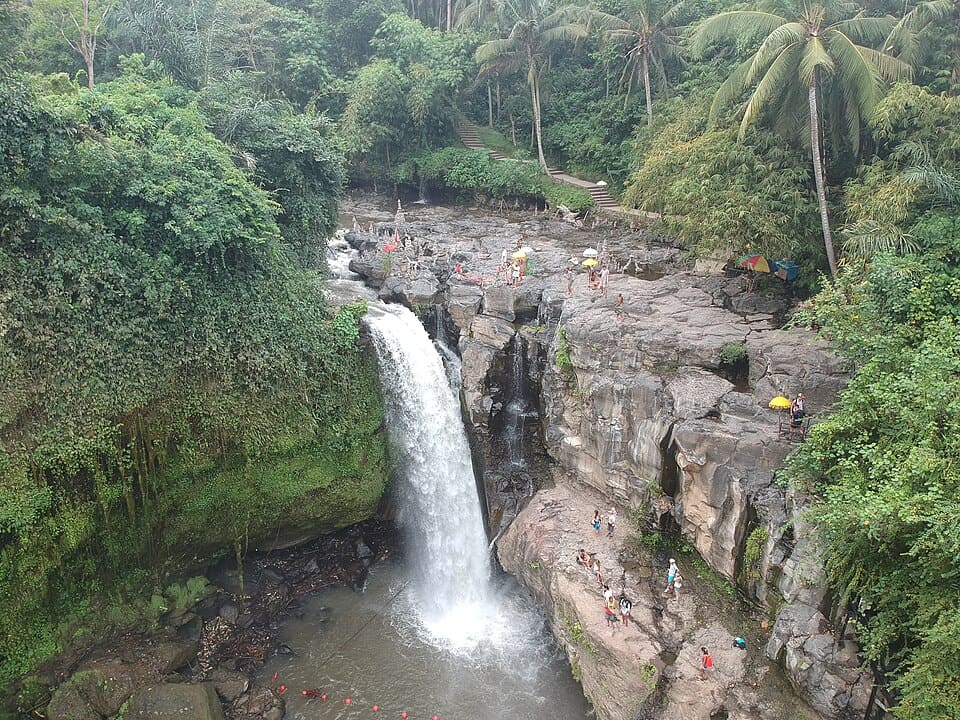
East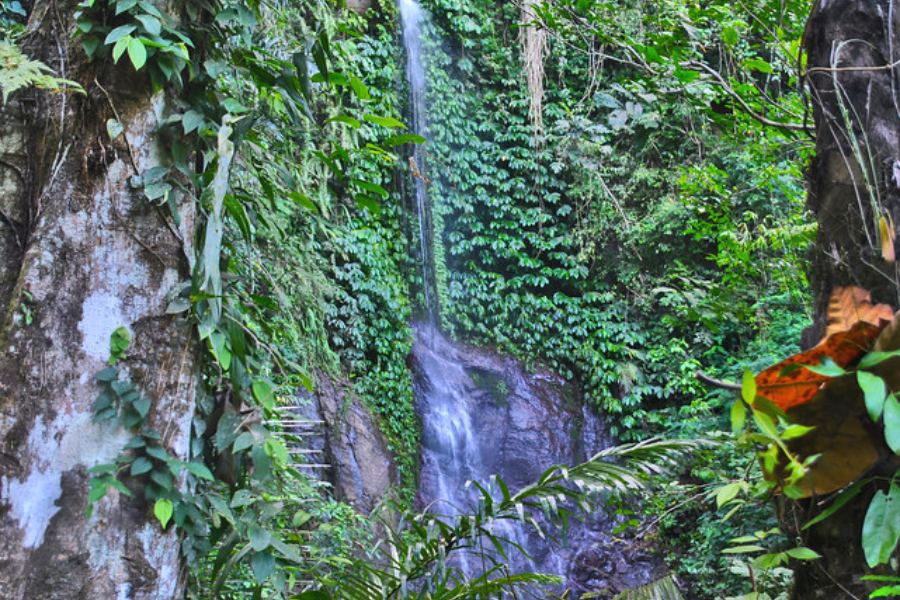
Nusa Penida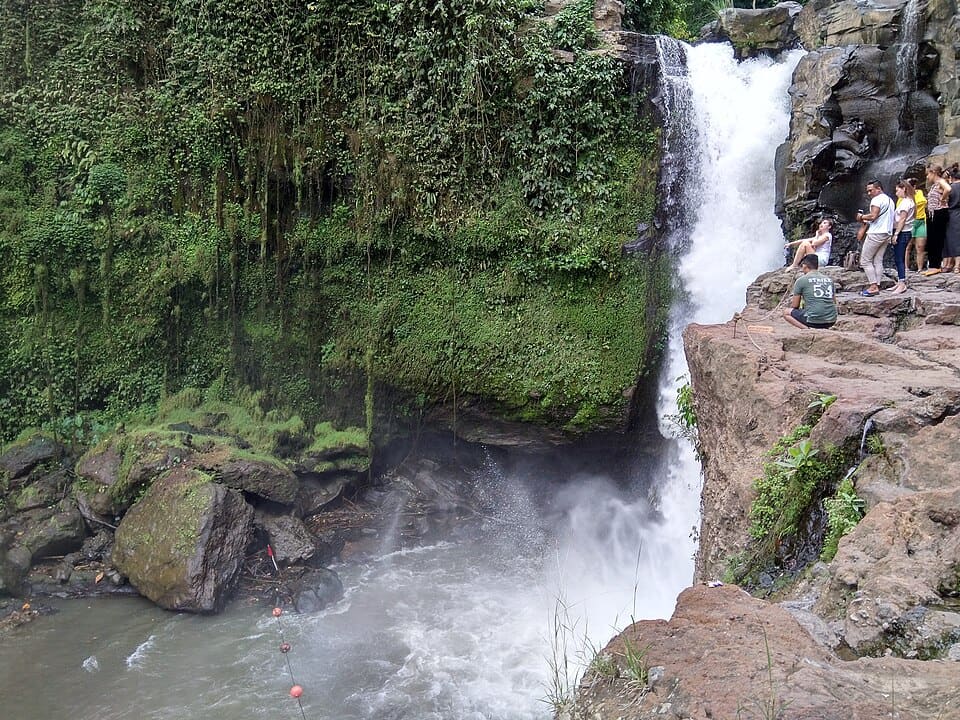
Central50 m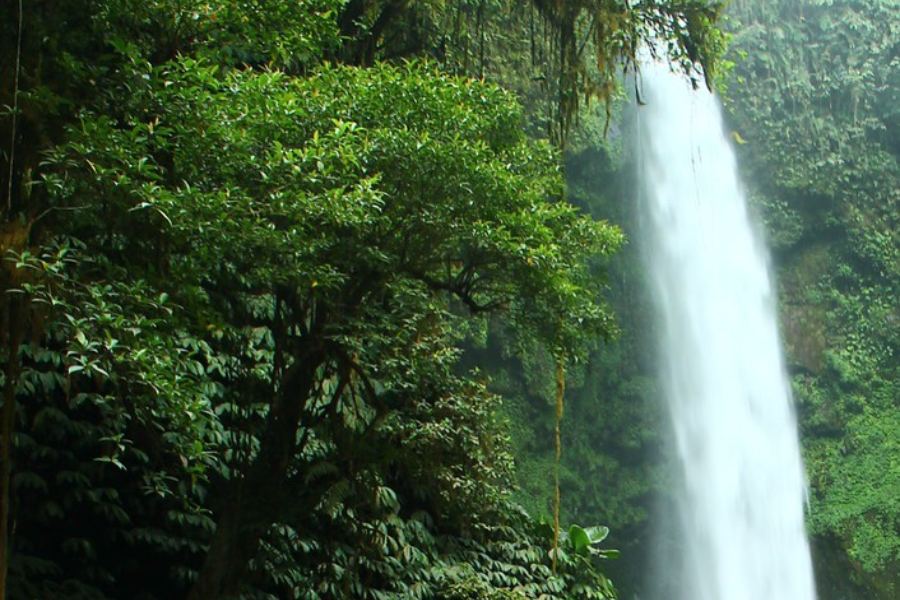
Central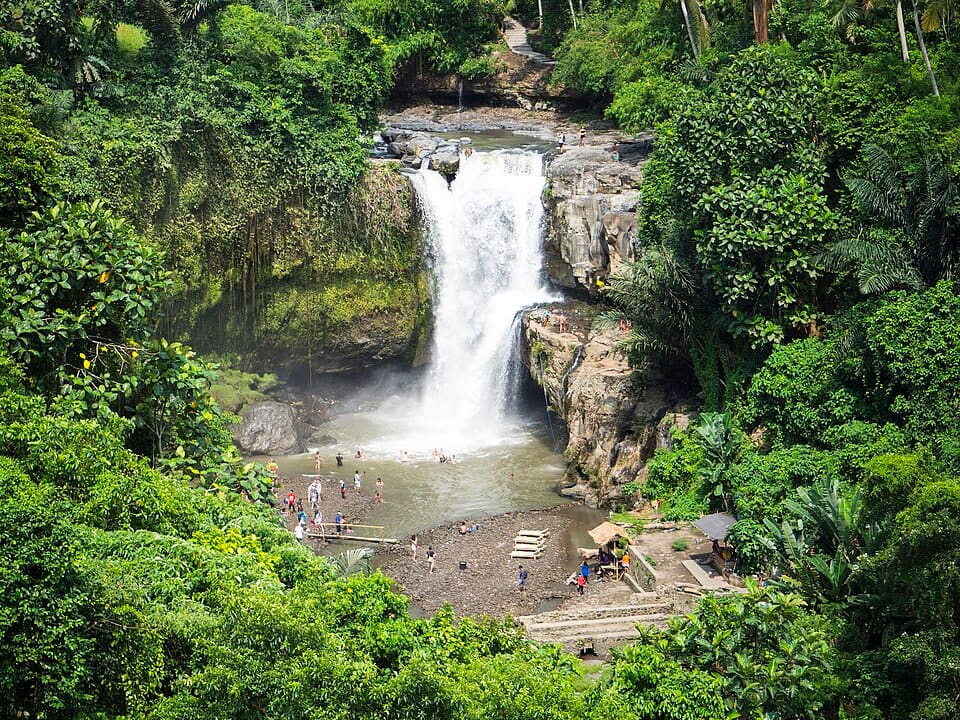
Central30 m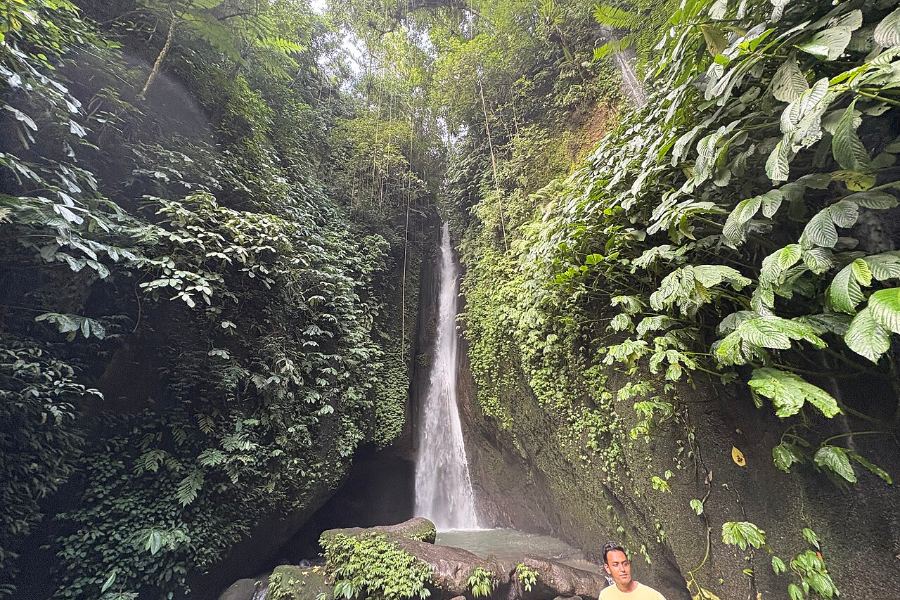
Central10 m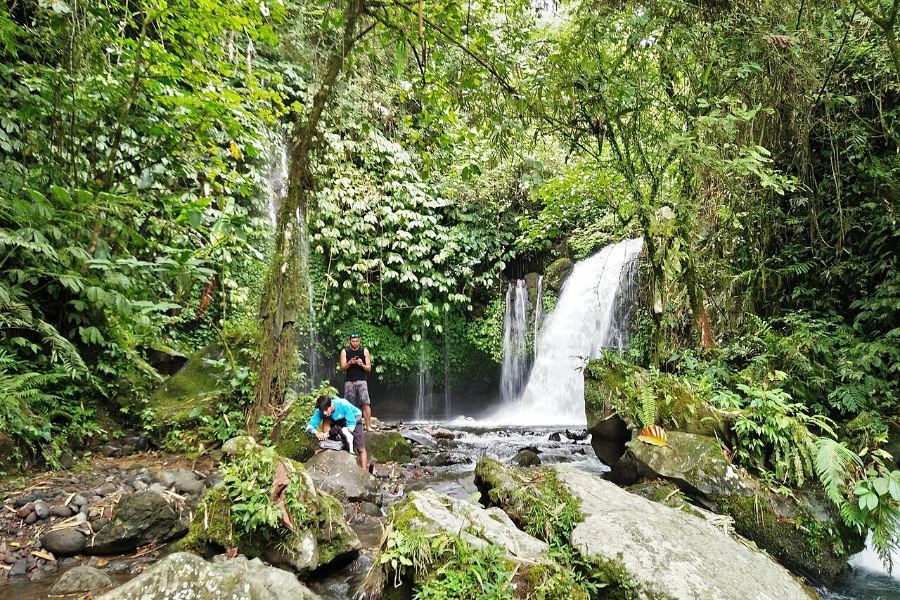
Central25 m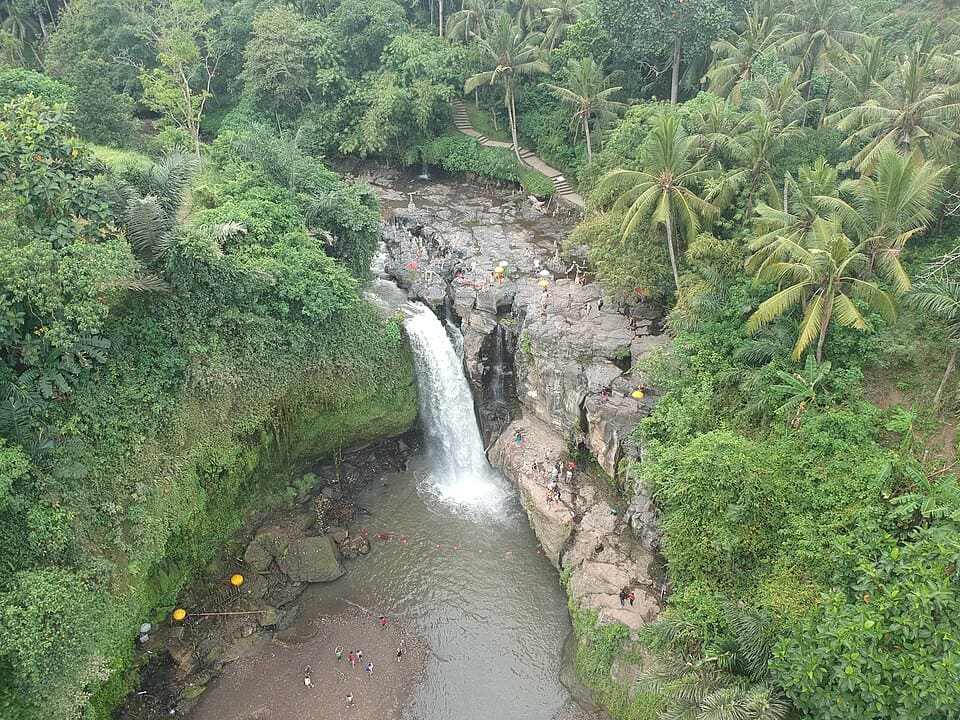
Central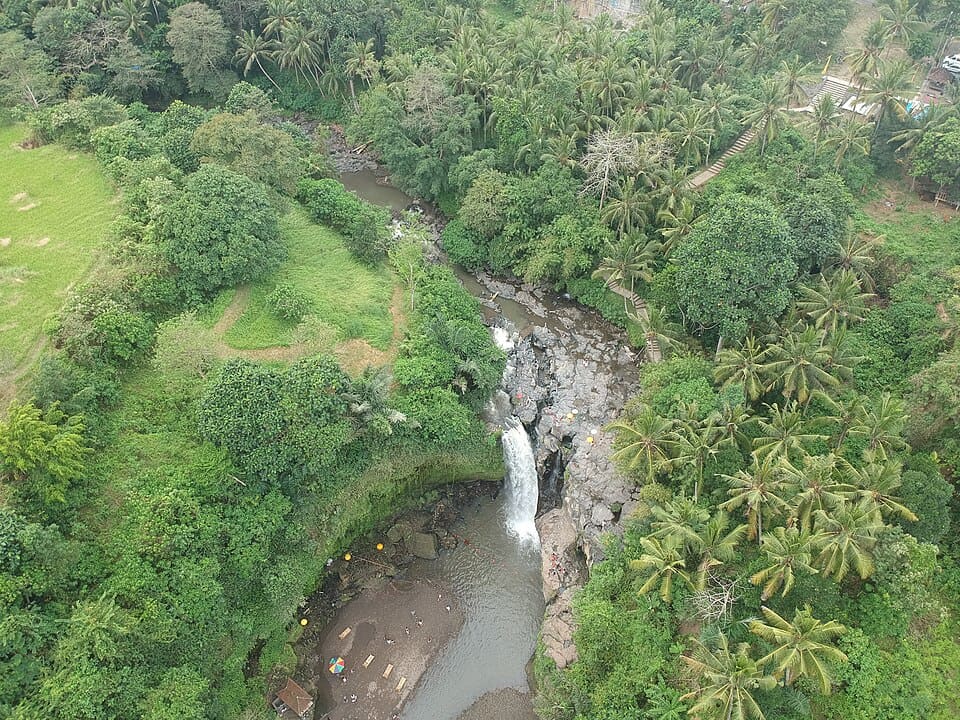
West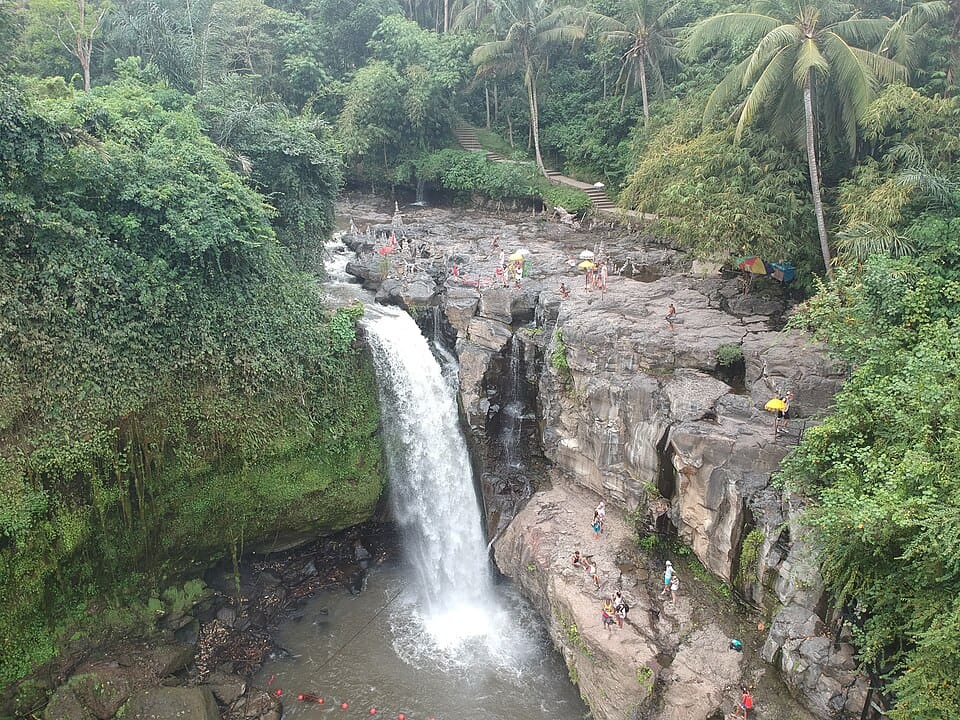
West50 m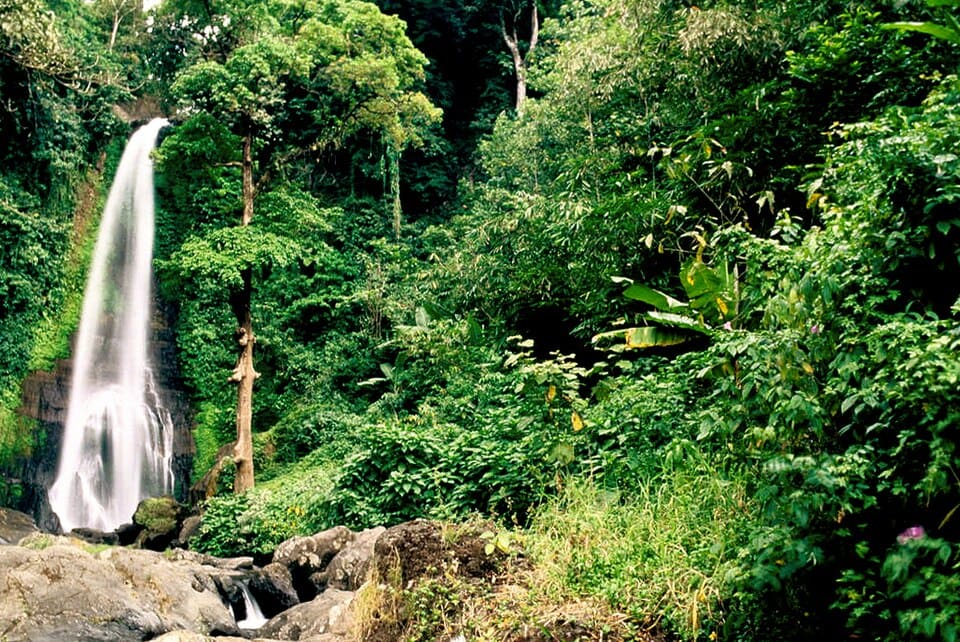
West5 m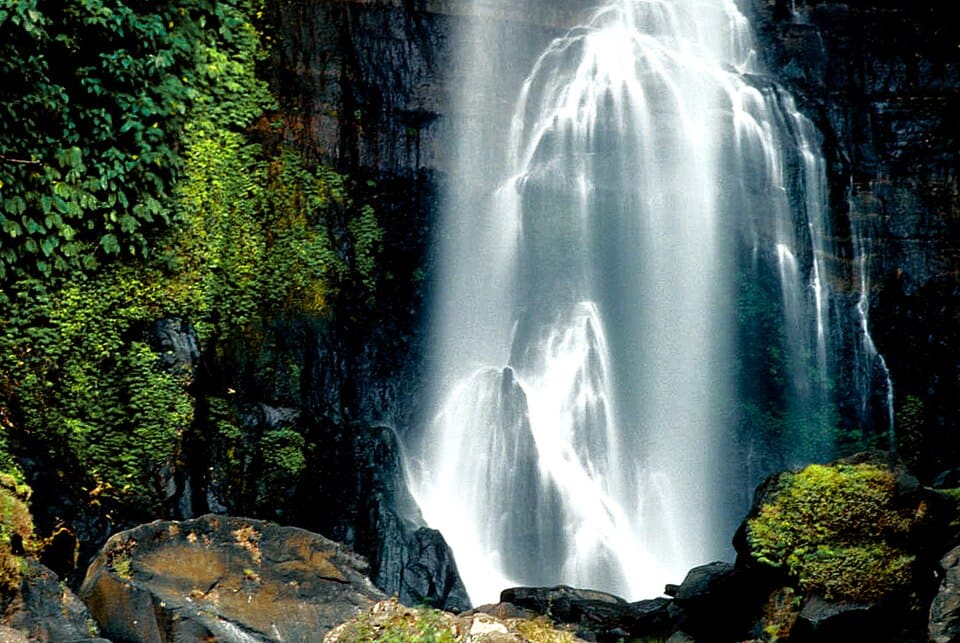
The Bali week, every Thursday
The events worth leaving the villa for, new spots and reader deals. One email a week.
Bali temples to visit
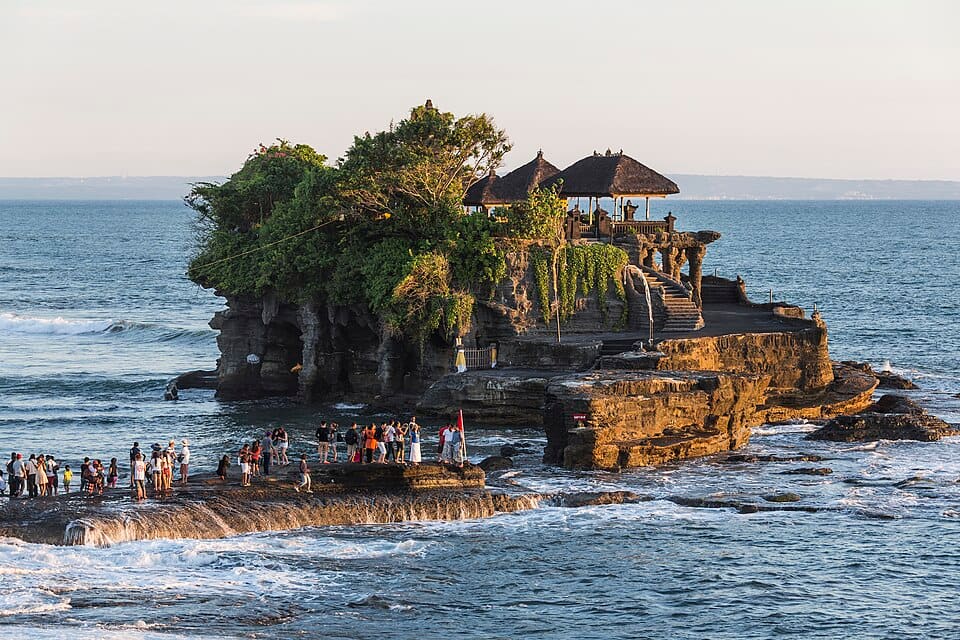
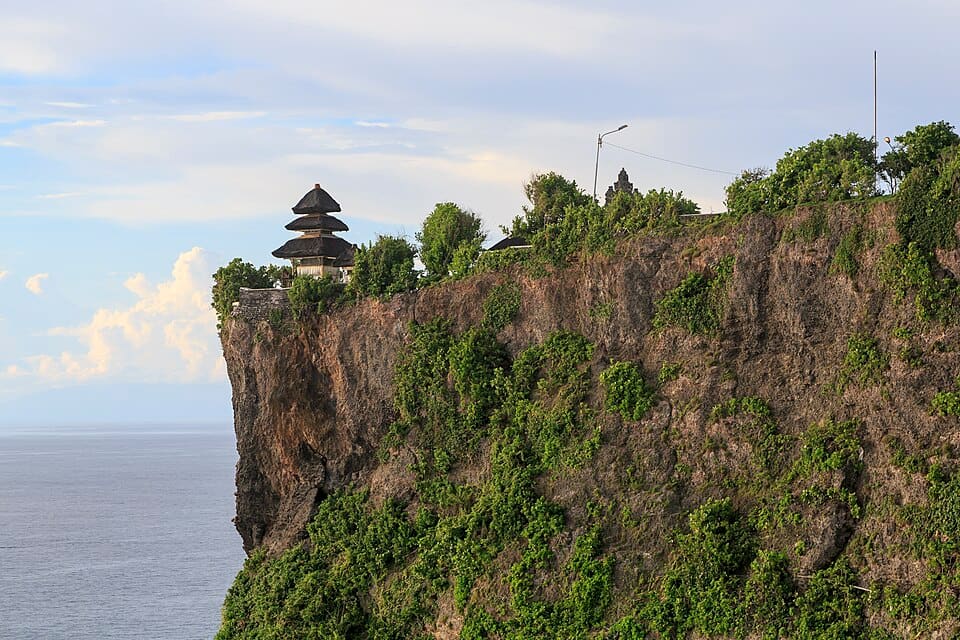
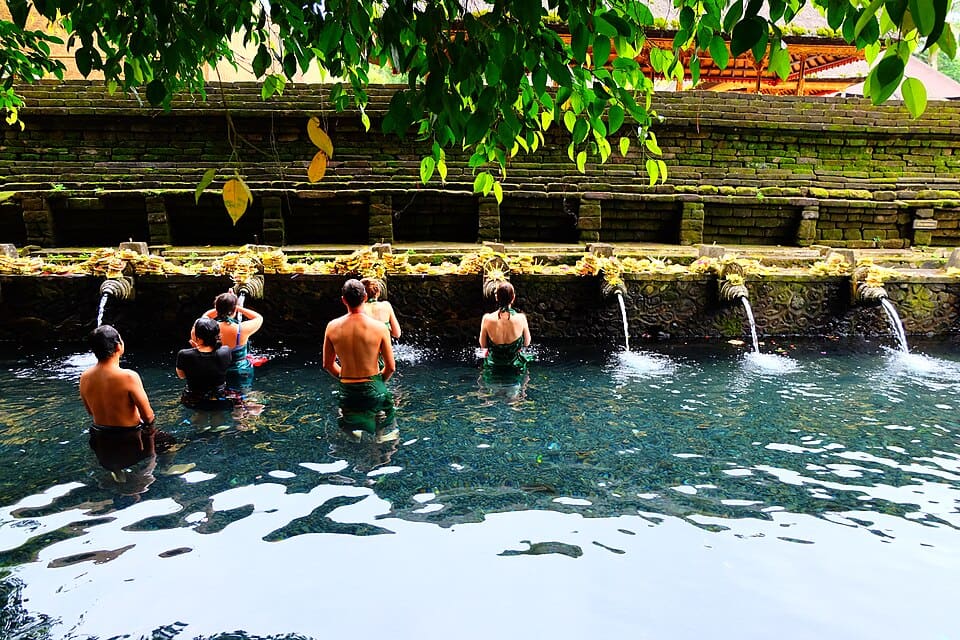
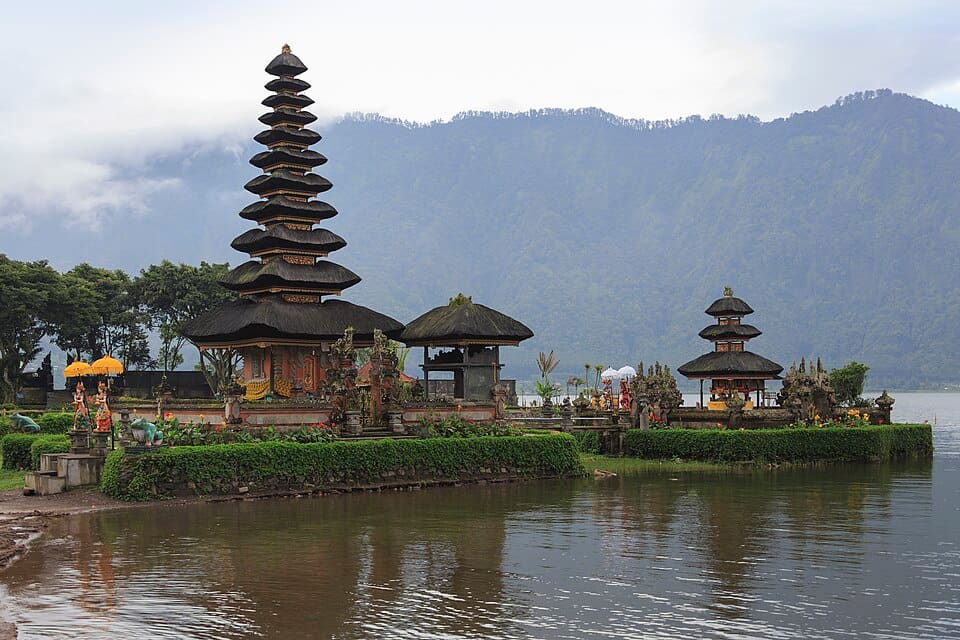
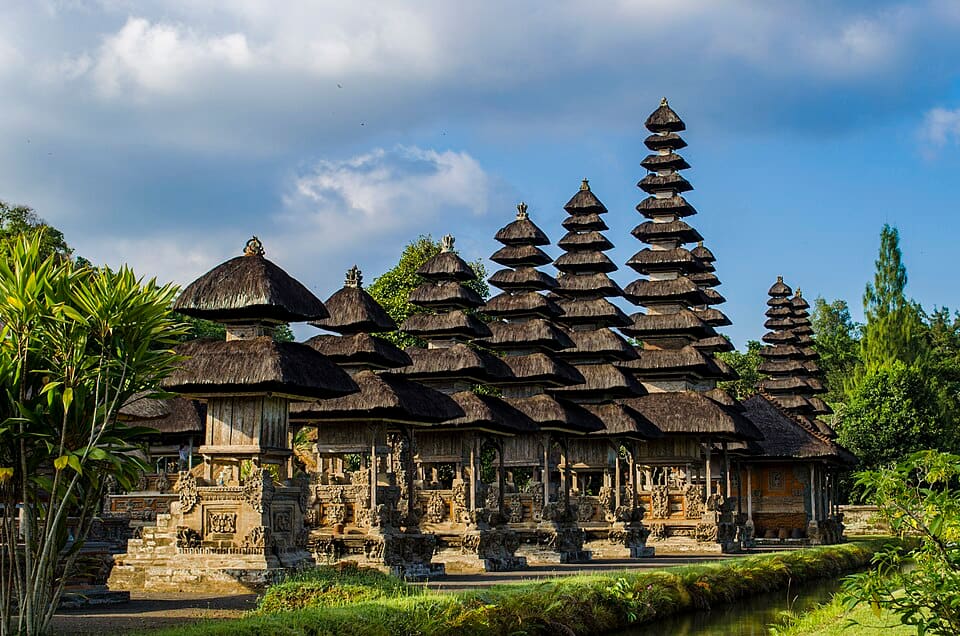
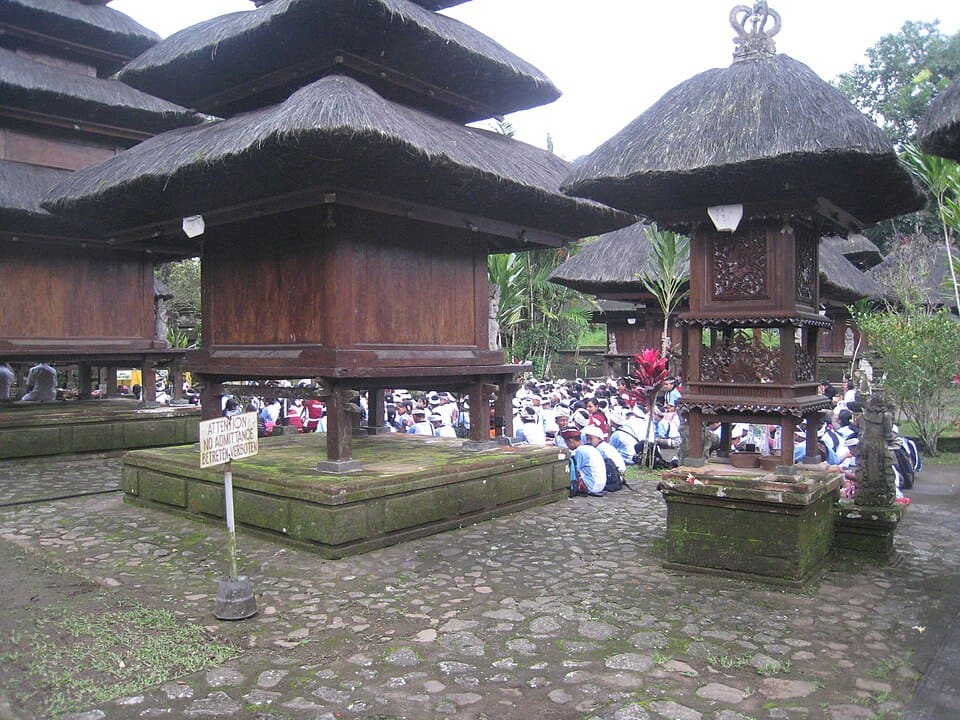
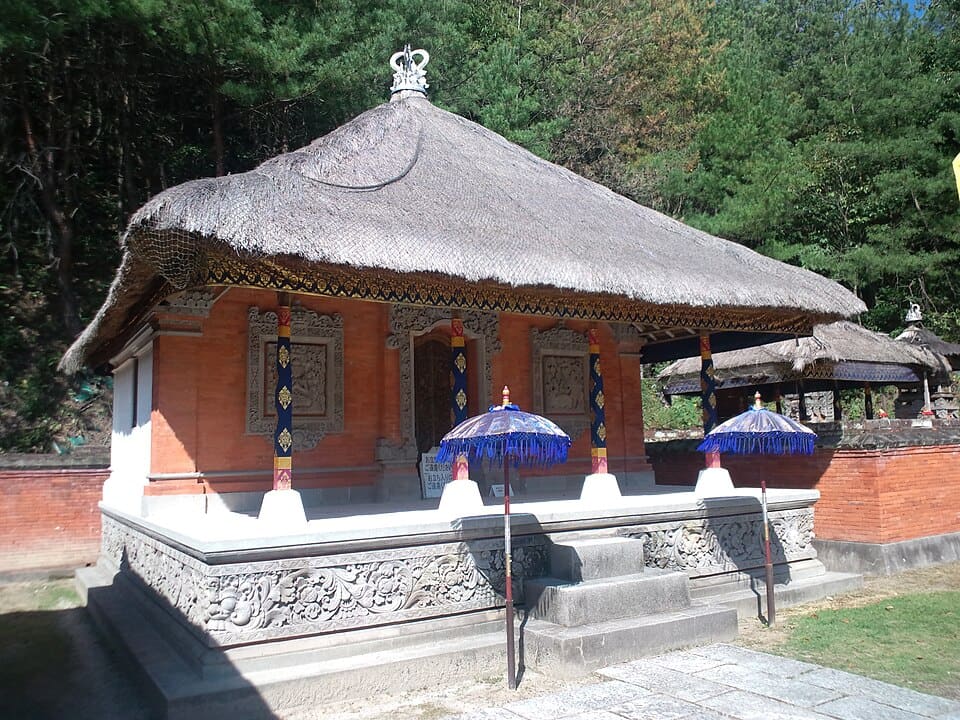
Tanah Lot, on a rock in the sea in Tabanan, and Uluwatu, on a cliff on the Bukit peninsula, are best at sunset. At Uluwatu, the kecak dance runs daily at around 6pm and 7pm, with a ticket of about IDR 150,000 on top of a temple entry of about IDR 50,000, paid in cash; keep phones and sunglasses away from the monkeys. Tirta Empul, in Tampaksiring, is a water temple where Balinese bathe in the holy spring pools. Ulun Danu Beratan stands on the shore of Lake Beratan in the cooler Bedugul highlands. Legs must be covered in every temple: a sarong and sash are lent or included at the entrance.
- Tanah Lot, Tabanan: sea temple on a rock, at sunset
- Uluwatu Temple: clifftop temple and kecak dance
- Tirta Empul, Tampaksiring: purification pools fed by a spring
- Ulun Danu Beratan, Bedugul: lakeside temple in the highlands
- Pucak Kedaton: hilltop temple away from the crowds
Rice terraces, nature and viewpoints
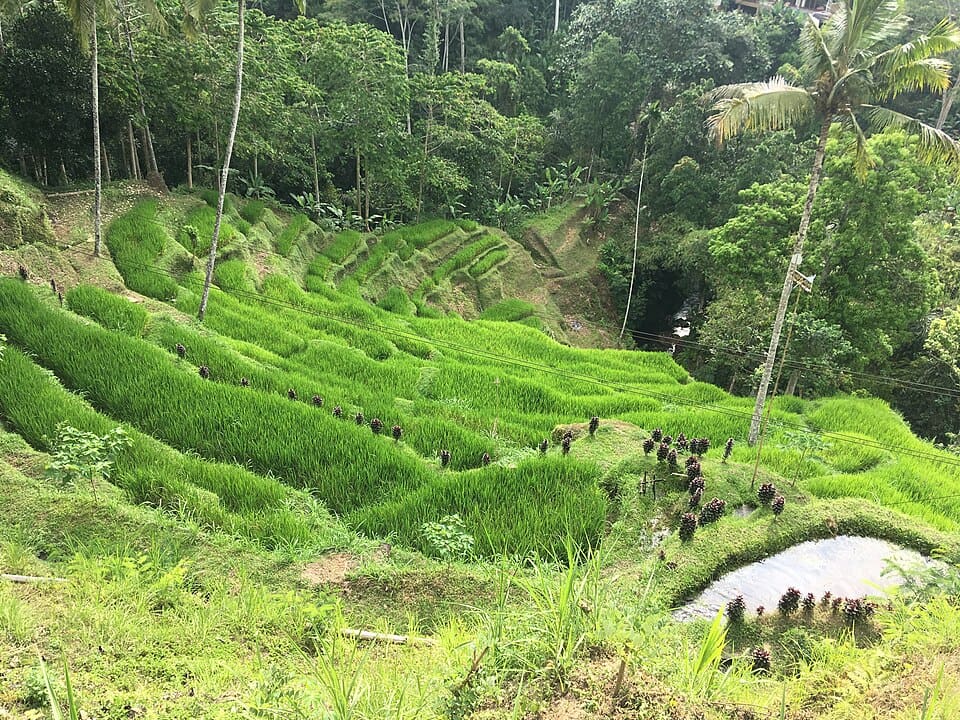
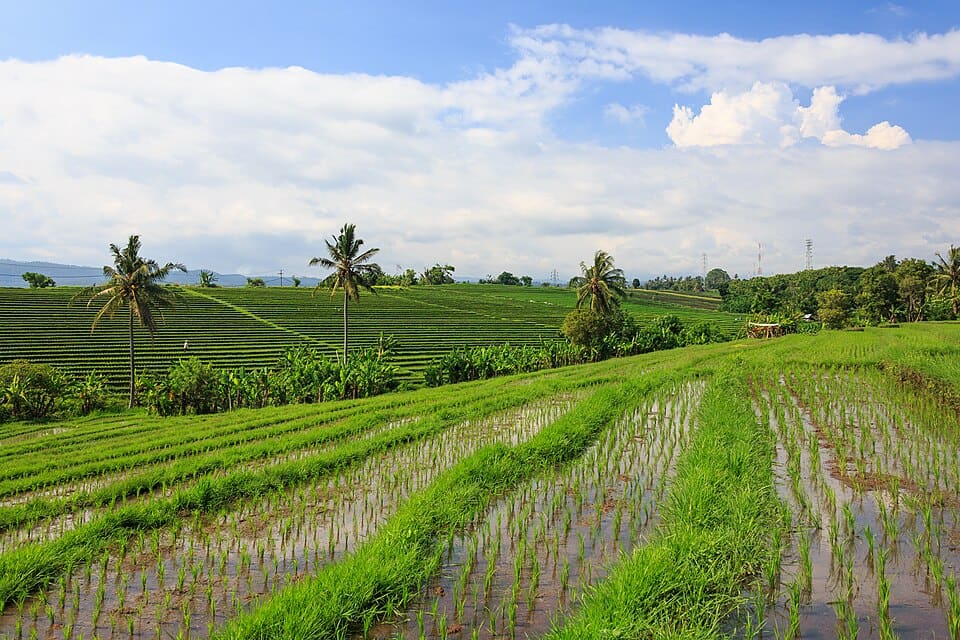
Tegallalang, just north of Ubud, is the classic rice-terrace view and gets busy by mid-morning. Jatiluwih, in Tabanan, is larger and calmer, with long walking loops; it is part of the Bali cultural landscape listed by UNESCO in 2012 for the subak irrigation system. In Ubud, the Campuhan Ridge Walk is a paved path of about 2.5 km return between two jungle valleys, best at sunrise, and the Sacred Monkey Forest Sanctuary shelters temples and hundreds of long-tailed macaques. For a mountain sunrise without a hike, Pinggan village in Kintamani looks out over the hills and the Batur caldera.
Waterfalls and hot springs
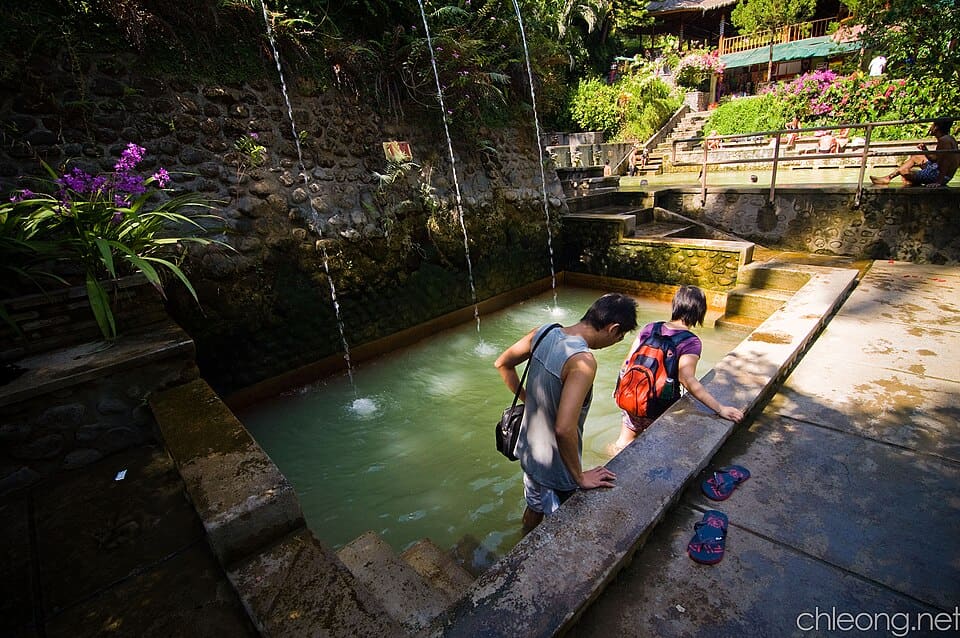
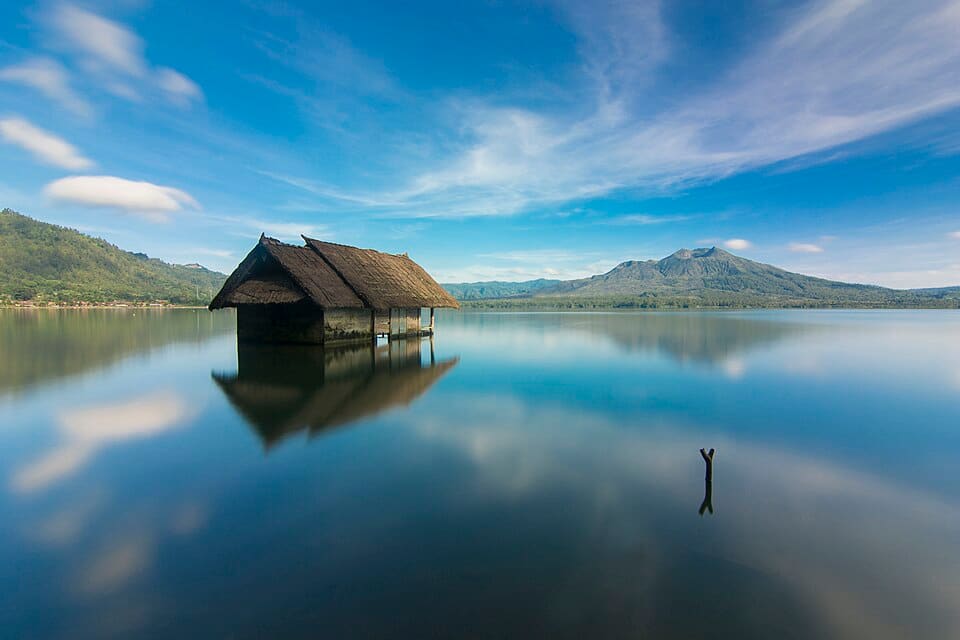
Bali's tallest waterfalls are in the north: Sekumpul, about 2.5 hours from Ubud, can only be visited with a guide, and the climb back up takes 30 to 40 minutes. Gitgit and the Munduk area are on the same side of the island. Closer to the south, Tegenungan, Tibumana and Kanto Lampo are within easy reach of Ubud. For hot water, Banjar Hot Springs near Lovina has volcanic pools fed by stone dragon spouts, and Toya Devasya sits on the shore of Lake Batur, a good stop after the sunrise trek. Our waterfalls page compares 36 falls in detail.
Beaches, culture and art
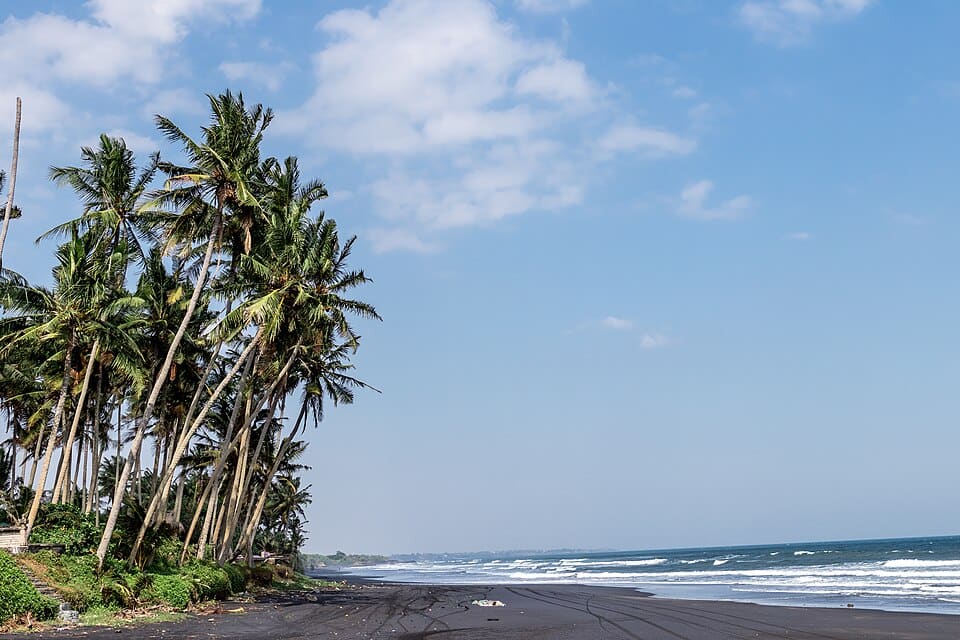
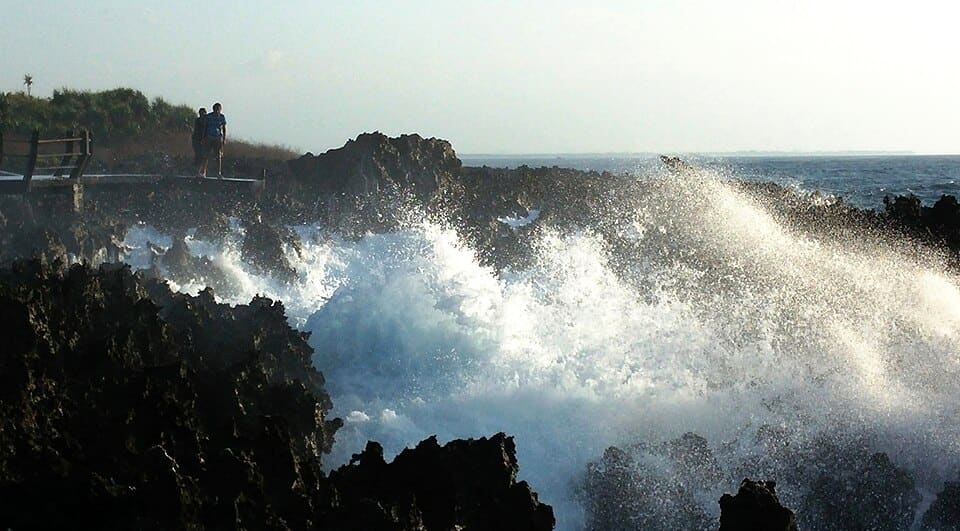
On the Tabanan coast, Pantai Nyanyi is a black-sand beach with a shipwreck, and Nuanu Creative City mixes art installations, an immersive dome and a beach club. In Nusa Dua, the Waterblow throws waves through the rock, most impressive at high tide. Ubud is the cultural centre: a Legong dance with gamelan is held every evening at 7:30pm in the palace courtyard, and Griya Peling Manuaba opens a traditional family compound. The Kertalangu cultural village near Denpasar combines rice-field walks and crafts. Off Lombok, Turtle Point on Gili Trawangan lets you see green turtles from the beach.
Frequently asked questions
What are the most beautiful places in Bali?
The most visited sights are Tanah Lot and Uluwatu temples at sunset, Tirta Empul, Ulun Danu Beratan on its lake, the Tegallalang and Jatiluwih rice terraces, Sekumpul waterfall in the north and the Campuhan ridge in Ubud. Each sits in a different part of the island, so plan them by area: south coast, Ubud, highlands and north.
What should I wear to visit a temple in Bali?
Cover your legs and shoulders. Most major temples, including Uluwatu, lend or include a sarong and a sash with the entrance ticket; if you wear long trousers or a long dress, you usually only need the sash. Avoid swimwear and very revealing tops, and follow staff instructions during ceremonies.
What time is the kecak dance at Uluwatu?
There are two daily shows, at around 6pm, during sunset, and 7pm, after dark, each lasting about an hour. The ticket is about IDR 150,000 per person, and the temple entry, about IDR 50,000 for adults, is paid separately in cash. Arrive early for a seat facing the sea.
Tegallalang or Jatiluwih: which rice terraces to choose?
Tegallalang is 20 minutes or so north of Ubud and easy to fit into a half day, but it is crowded and commercial. Jatiluwih, in Tabanan, is bigger, quieter and part of the UNESCO-listed subak landscape, with walking loops through the fields. Combine it with Ulun Danu Beratan in the Bedugul highlands.
Where can you watch the sunrise in Bali?
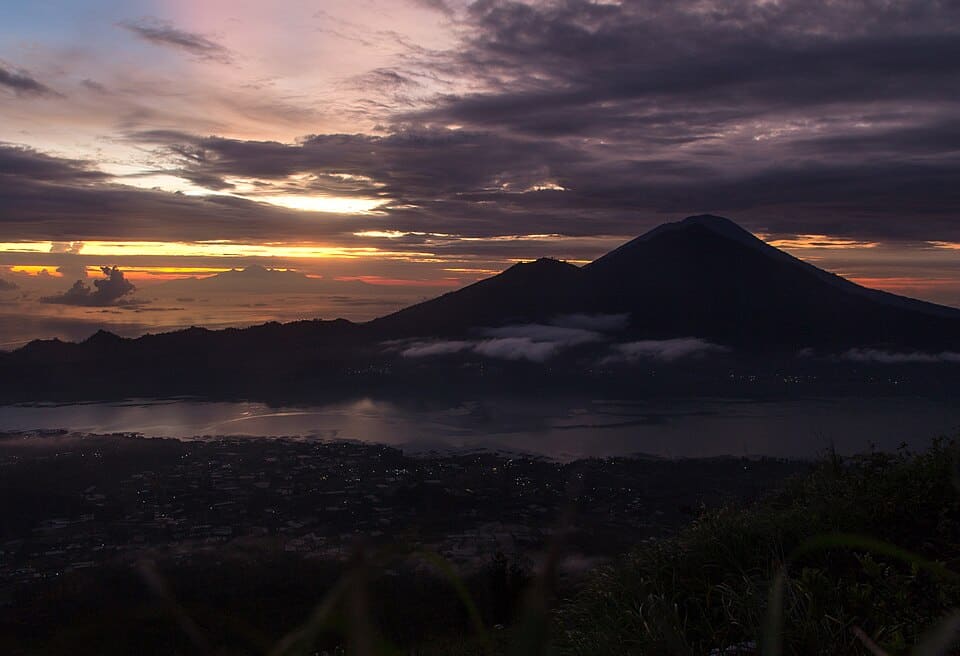
The best-known option is the summit of Mount Batur, reached on a guided night trek. Without a hike, Pinggan village in Kintamani looks over the hills and the caldera at dawn. In Ubud, the Campuhan Ridge Walk is pleasant at first light, before the heat and the crowds.
How many days do you need to see Bali?
Count at least a week to see the main sights without rushing: two days around Ubud, one day for the temples of the south coast, one for the highlands and Jatiluwih, one or two for the northern waterfalls, plus a day trip to Nusa Penida. Driving times are long, so changing base once or twice saves hours.