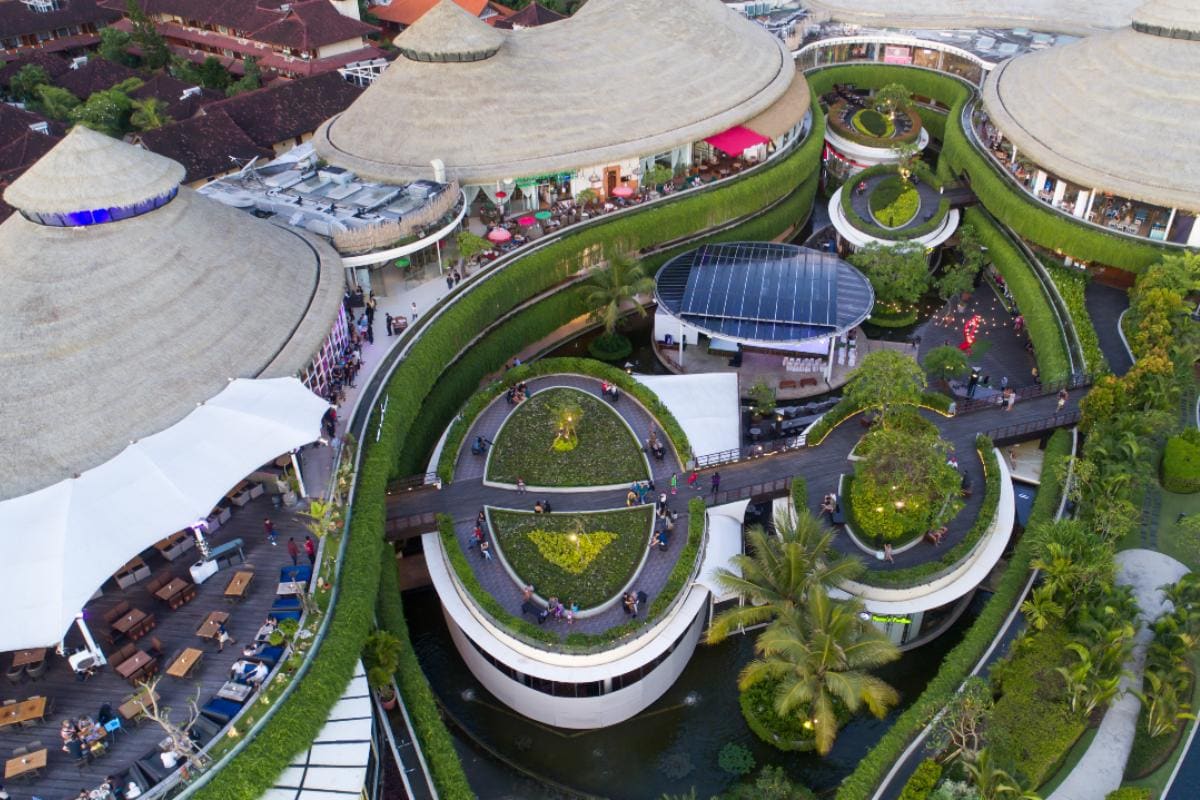
Where to shop in Bali
Shopping in Bali splits into three worlds: air-conditioned malls in Kuta, Denpasar, Seminyak and Nusa Dua for brands, supermarkets and cinemas; traditional and craft markets such as Ubud Art Market for sarongs, baskets and souvenirs; and independent stores selling Balinese labels and products from local makers. This page lists the malls, markets and local stores we recommend, area by area, with practical tips on haggling, opening times and how to fit shopping into a rainy afternoon.
CangguUbudUluwatuDenpasarNusa PenidaSanurSeminyakKutaJimbaranNusa DuaTabananSidemenNusa LembonganAgung · 3 031 mBatur · 1 717 m
Indicative positions · open directions for the exact address
17 places
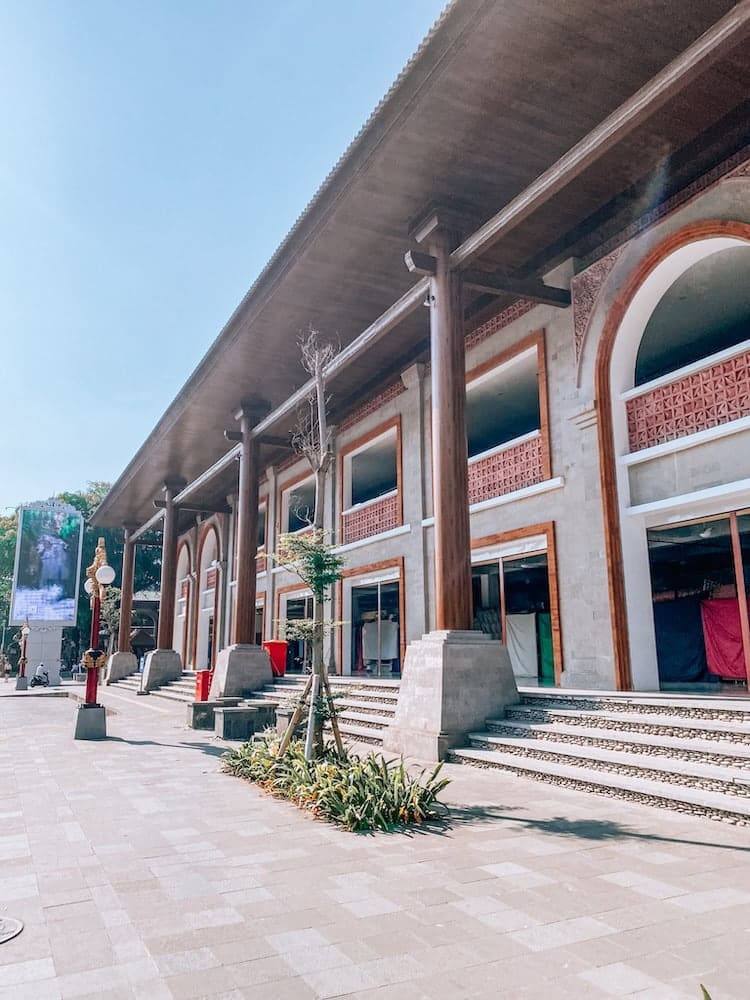
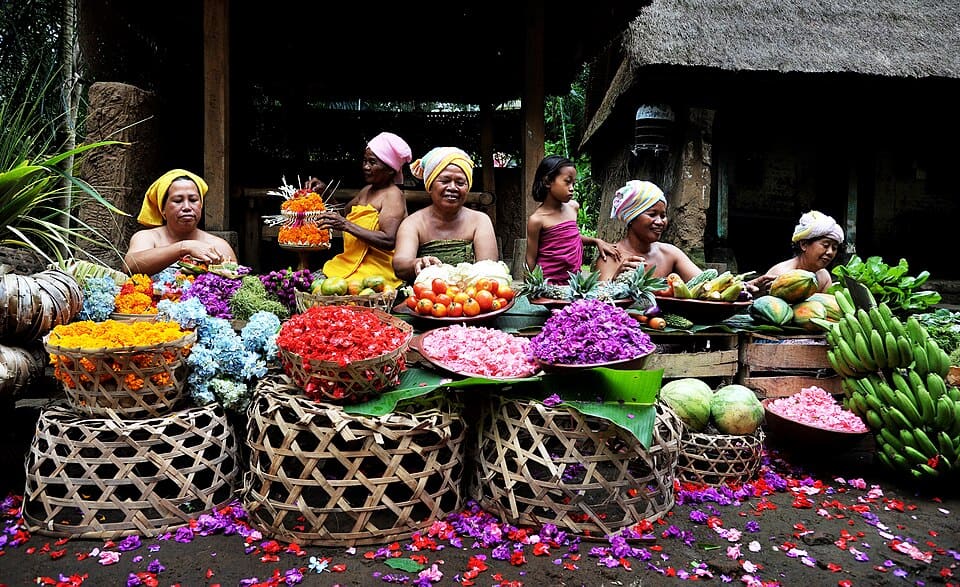
Ubud Art Market
Covered market opposite the Royal Palace: sarongs, baskets and crafts. Go early and haggle.
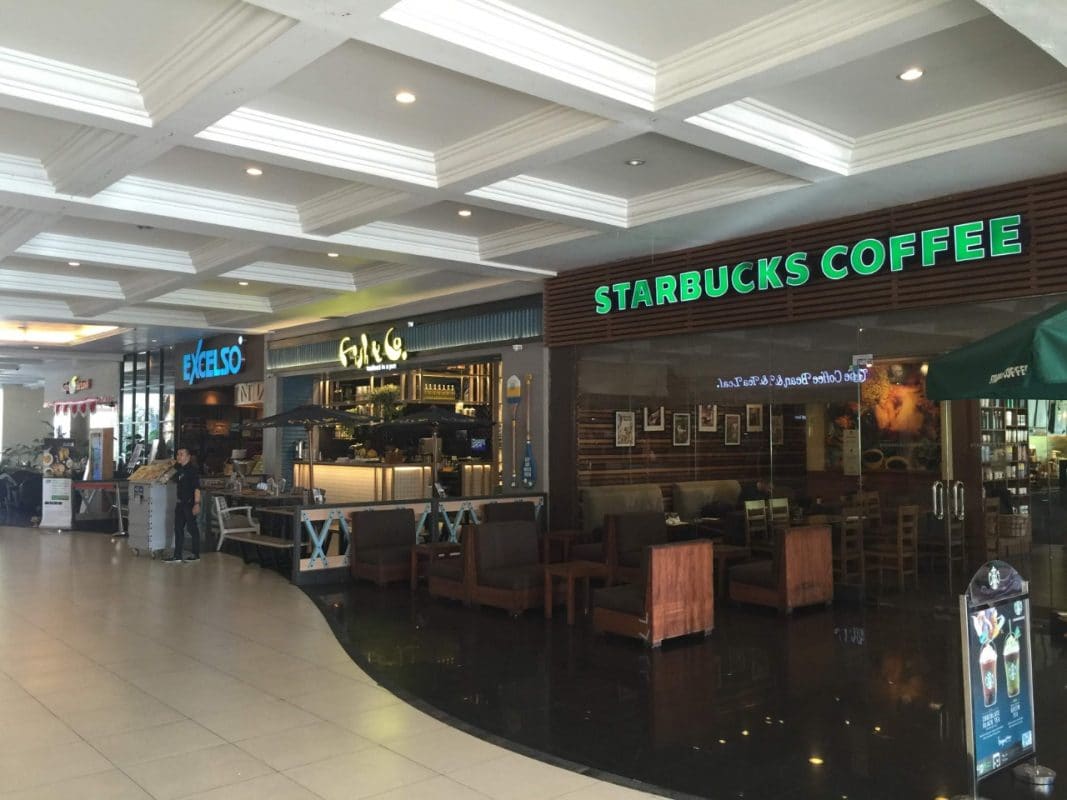
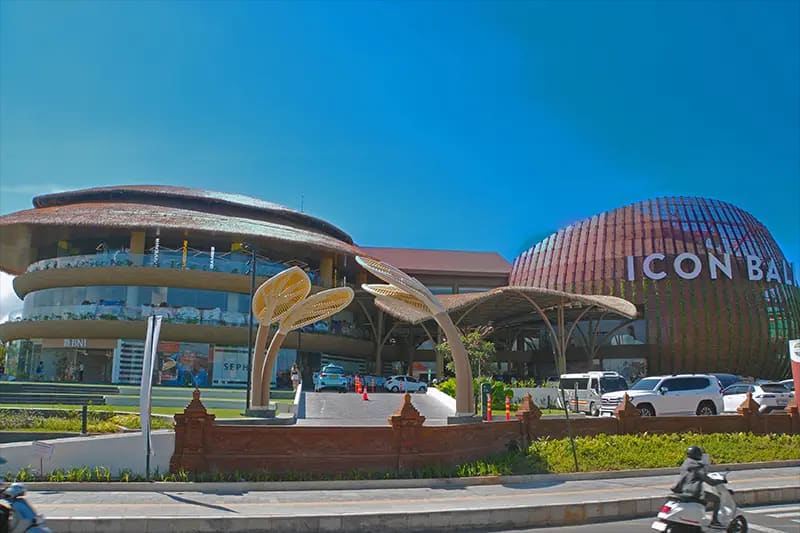

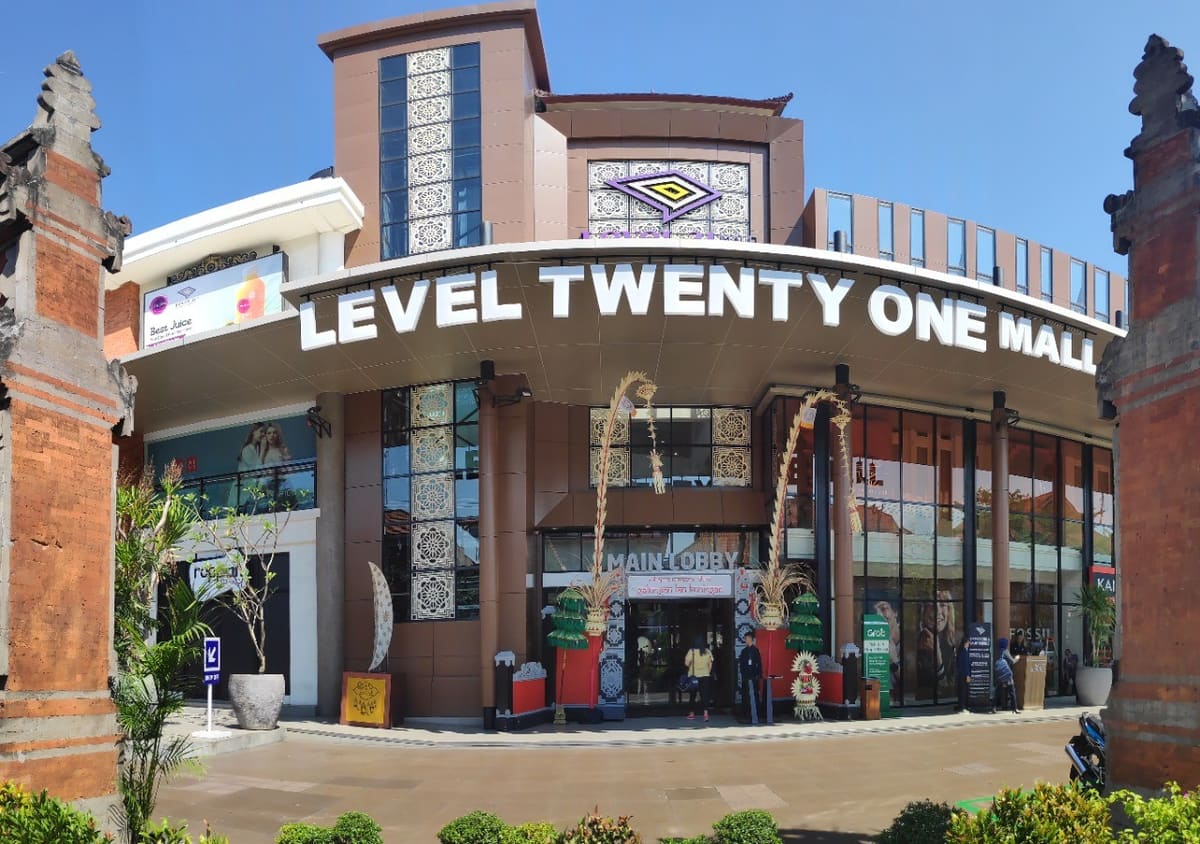
Level 21 Mall
Central Denpasar mall popular with locals: fashion, supermarket, food court, cinema and kids’ play area.
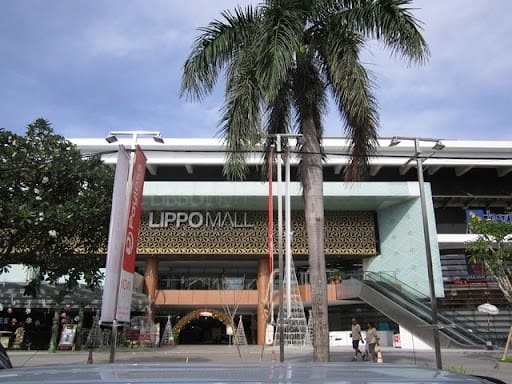
Lippo Mall Kuta
Three-floor mall on Jl. Kartika Plaza, the closest to the airport, with a Cinépolis cinema and food court.
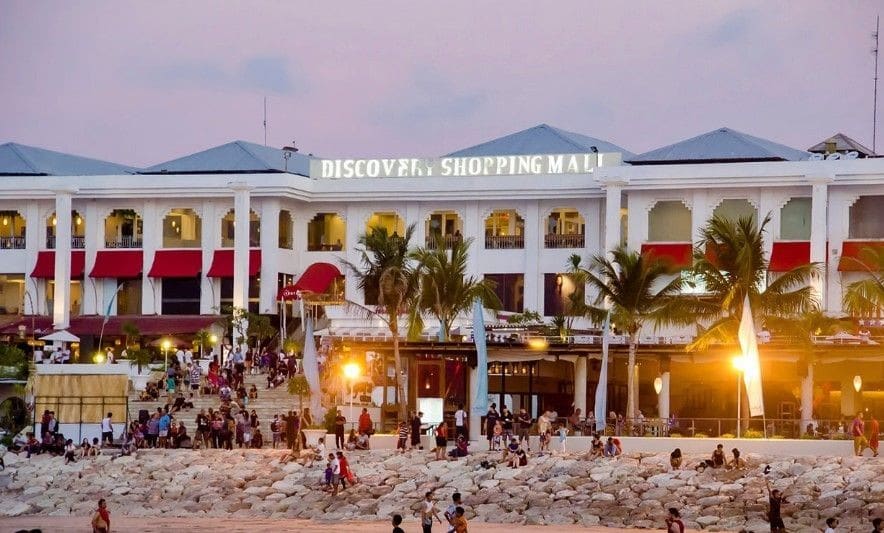
Discovery Shopping Mall
Beachfront mall in Tuban with direct beach access, mid-range shops and a sunset promenade next to Waterbom.
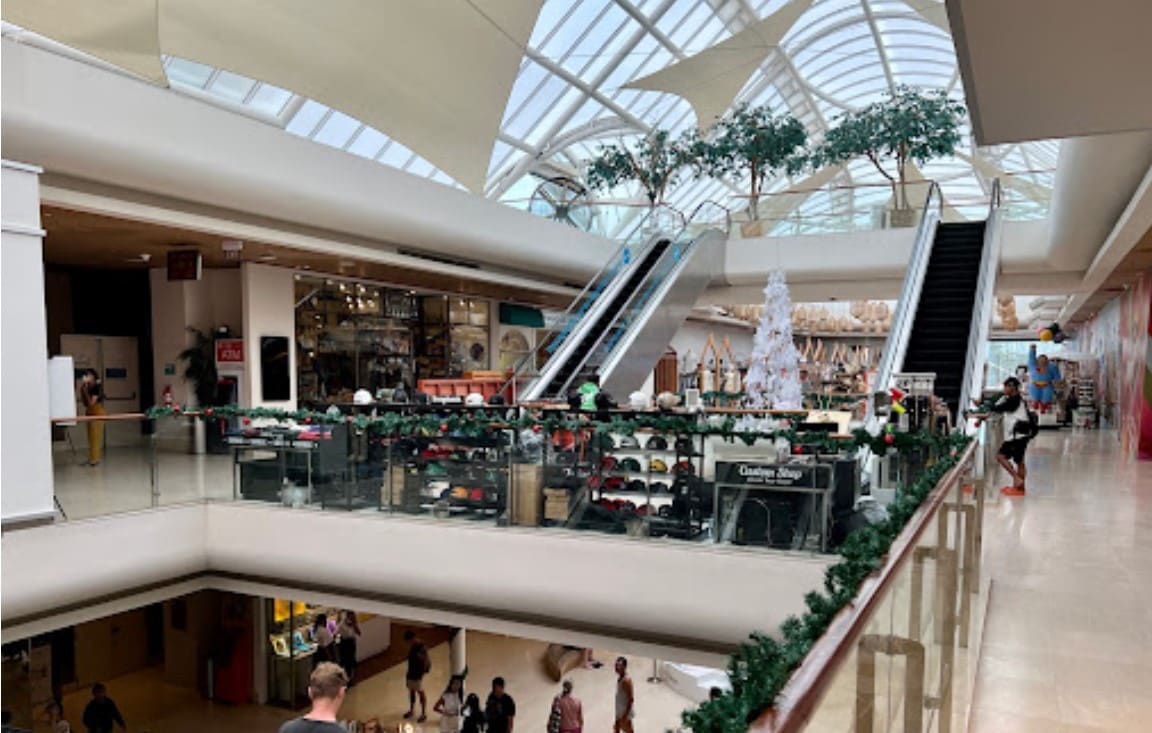
Seminyak Square
Open-air courtyard complex in central Seminyak with surf brands, Periplus books, cafés and a craft market.
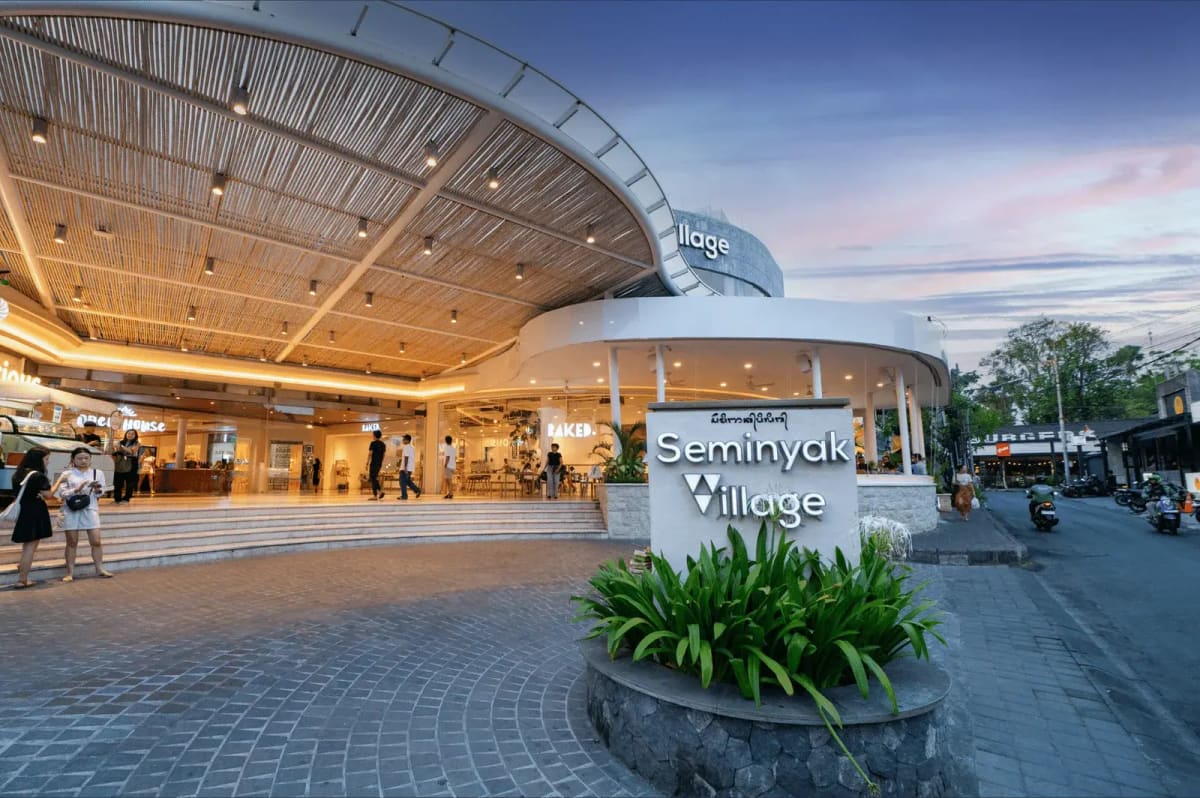
Seminyak Village
Upscale two-level Seminyak mall mixing international brands, local labels, a bakery and a spa.
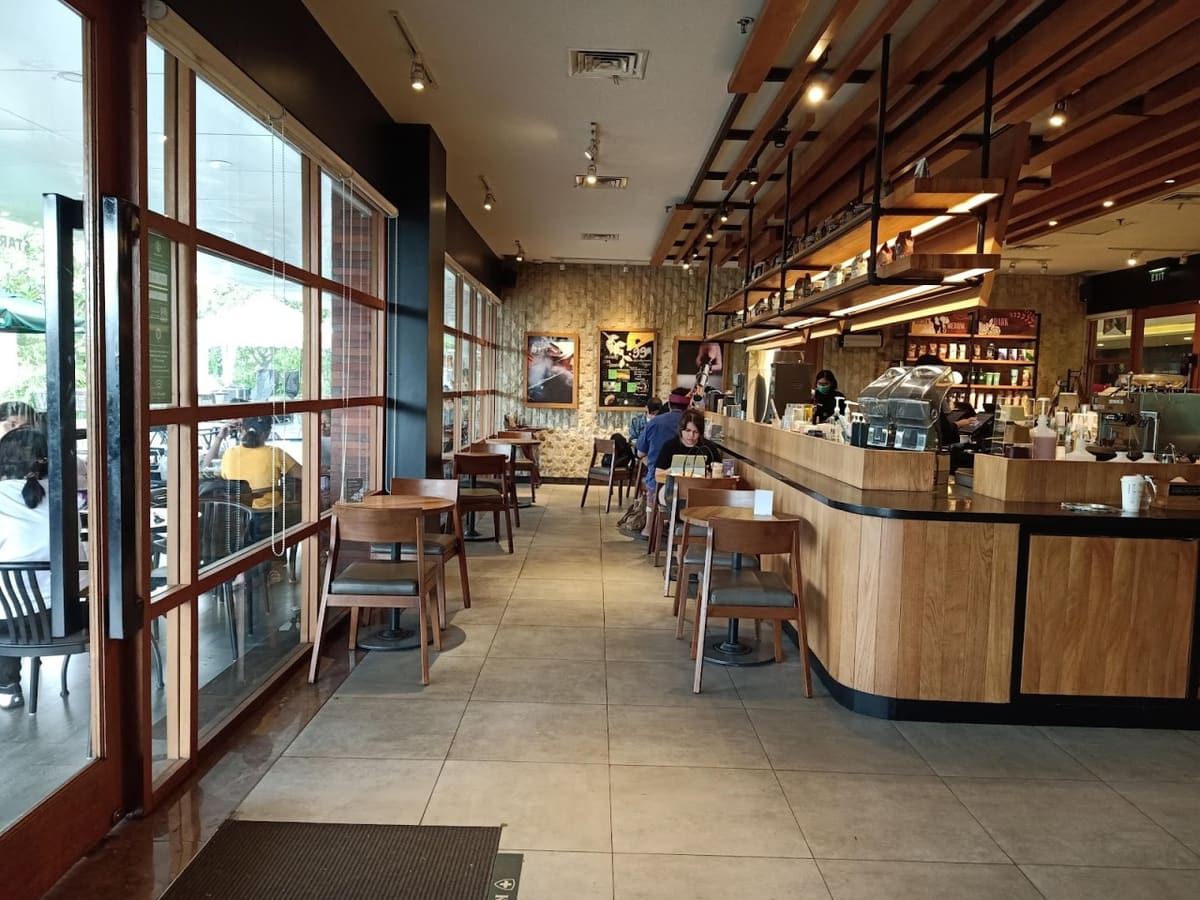
Plaza Renon
Neighbourhood mall in Renon with a supermarket, Cinépolis cinema and chain restaurants, mostly used by locals.
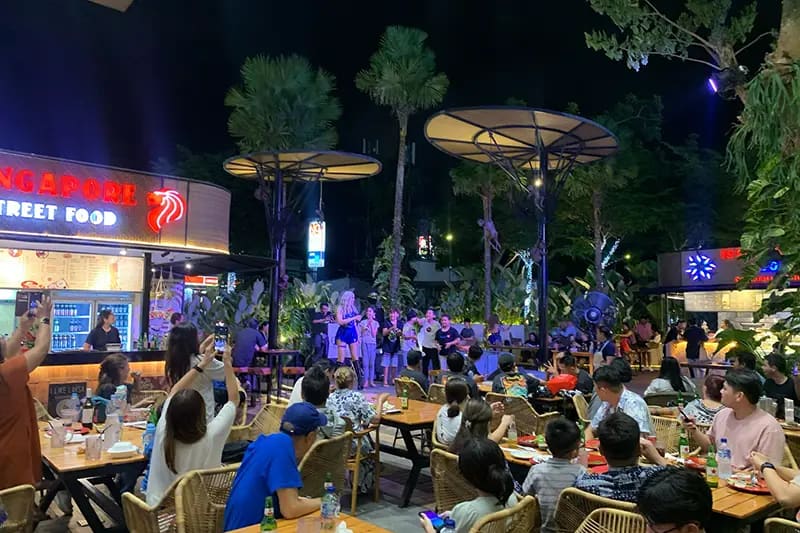
Sidewalk Jimbaran
Family-friendly mall on the road to Uluwatu with a large Gourmet Market supermarket and a Cinépolis cinema.
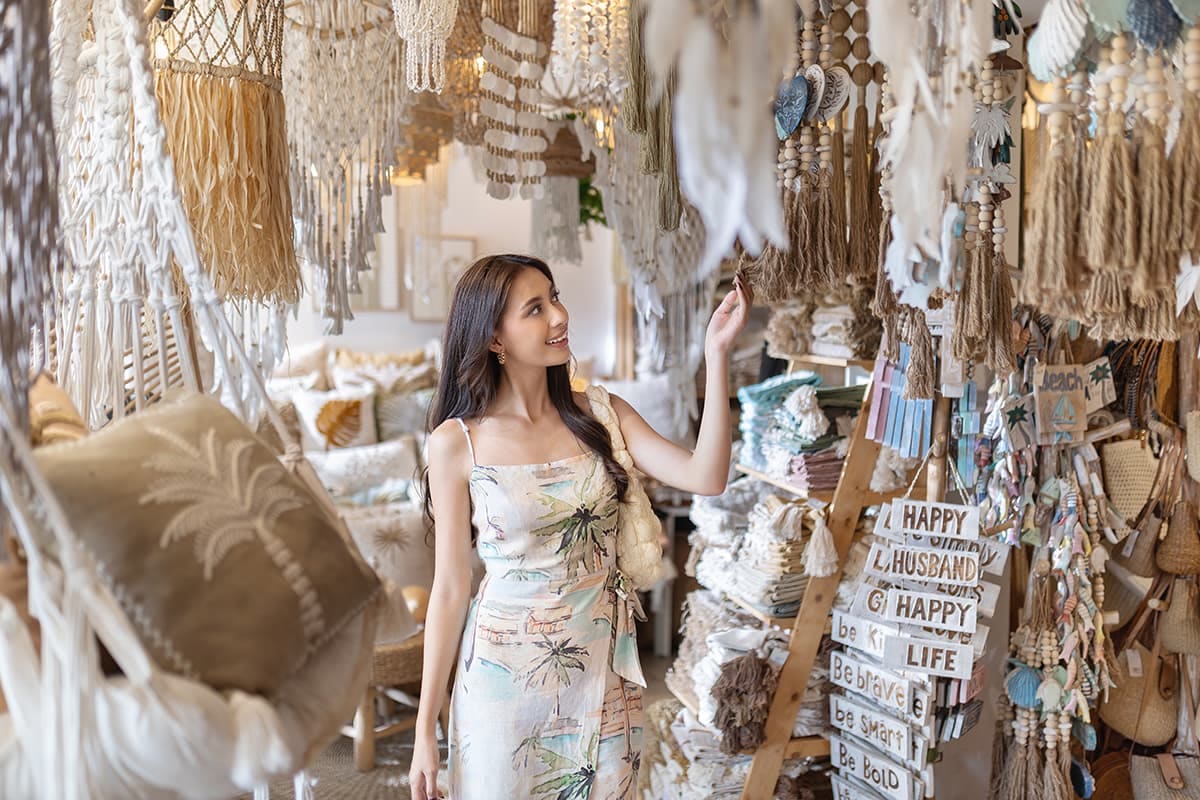
Bali Collection
Eight-hectare open-air shopping village in the Nusa Dua resort area, with free shuttles from nearby hotels.
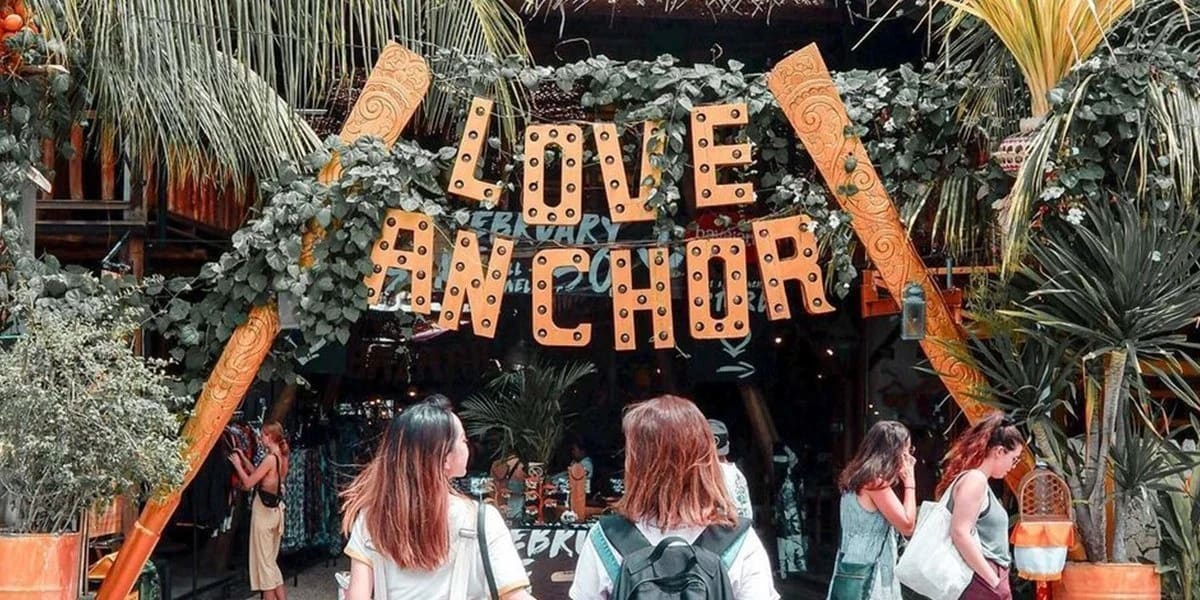
Love Anchor
Daily market on Jl. Pantai Batu Bolong: 50+ independent stalls of local fashion, jewellery and homeware.
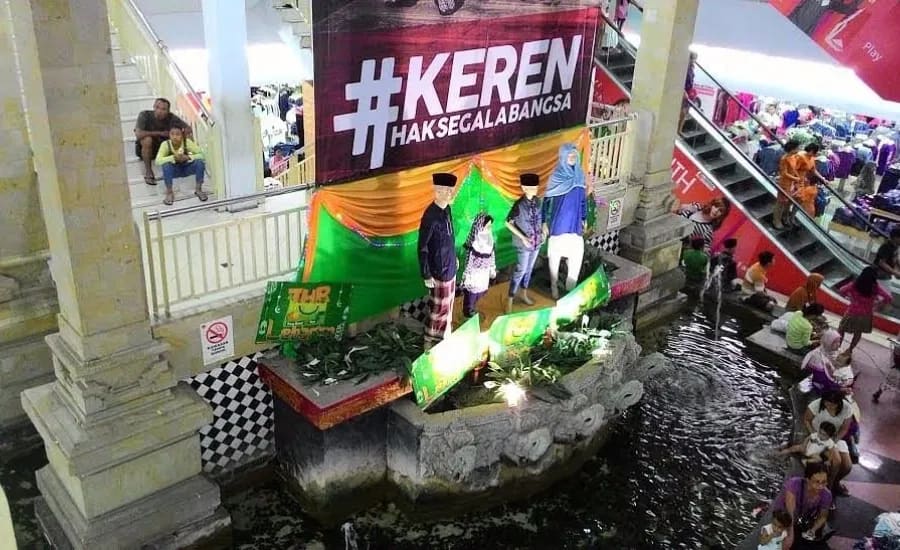
Ramayana Mal Bali
Long-running local department store and mall in central Denpasar with a supermarket and budget clothing.
Cap Bali
Balinese fashion label printing casual wear with batik, songket and other Indonesian ethnic motifs.
The Bali week, every Thursday
The events worth leaving the villa for, new spots and reader deals. One email a week.
Shopping malls in Bali
Malls are useful for a rainy day, a cinema session or a big supermarket run. Kuta has the most choice close to the airport, with Beachwalk facing the beach, Lippo Mall Kuta and Discovery Shopping Mall in Tuban. Denpasar malls such as Living World, Level 21 and Plaza Renon are used mostly by residents and are good for home goods. In Seminyak, Seminyak Village and Seminyak Square mix brands, local labels and cafés, while Bali Collection serves the Nusa Dua resort area.
- Kuta: Beachwalk, Lippo Mall Kuta, Discovery Shopping Mall, Mal Bali Galeria
- Denpasar: Living World, Level 21 Mall, Plaza Renon, Ramayana Mal Bali
- Seminyak: Seminyak Village, Seminyak Square
- South and east: Bali Collection in Nusa Dua, Sidewalk Jimbaran, Icon Bali in Sanur
Markets in Bali
Markets are where you find sarongs, rattan bags, wood carvings and small gifts. Ubud Art Market, opposite the Royal Palace, is the best known: go early, before the tour groups, and haggle with a smile. Prices are rarely displayed, so start well below the first price and agree on a figure before you pay. In Canggu, Love Anchor on Jalan Pantai Batu Bolong gathers dozens of independent stalls of local fashion, jewellery and homeware, in a more relaxed setting.
- Ubud Art Market: crafts, sarongs and baskets, best in the morning
- Love Anchor, Canggu: independent designers, fashion and jewellery
- Seminyak Square: small craft market among the shops
- Weekend makers' markets at venues such as Old Man's and La Brisa
Local stores and Balinese labels
For something more personal than market souvenirs, look for shops that work directly with island makers. Bali Direct Store in Pererenan sells products from local producers, from food to homeware, and Cap Bali in Kuta prints casual clothing with batik, songket and other Indonesian motifs. Buying from these stores supports local craftspeople and usually means fixed prices, which suits travellers who do not enjoy haggling.
Practical tips for shopping in Bali
Malls accept cards, but markets and small stalls mostly work in cash, in Indonesian rupiah. Keep small notes for markets and check change carefully. Large sculptures and furniture can be shipped home through specialised freight companies, which saves luggage fees. Traffic in Kuta and Seminyak is heavy in late afternoon, so plan mall visits for the morning or early afternoon. If you are looking for a specific item or a trusted maker, our local agent can point you to the right address on WhatsApp.
Frequently asked questions
Where is the best shopping in Bali?
For brands and malls, Kuta and Seminyak have the widest choice, with Beachwalk, Lippo Mall Kuta and Seminyak Village. For crafts and souvenirs, Ubud Art Market is the reference. For independent designers, Canggu has Love Anchor and many small boutiques along Batu Bolong and Pererenan.
What is the biggest mall in Bali?
The large malls are in Kuta and Denpasar. Beachwalk in Kuta, Living World and Level 21 in Denpasar, and Lippo Mall Kuta near the airport are among the biggest, with supermarkets, food courts and cinemas. Bali Collection in Nusa Dua is an open-air shopping village spread over about eight hectares.
Should you haggle at markets in Bali?
Yes, haggling is normal in markets such as Ubud Art Market, where prices are not displayed. Start well below the first price, stay friendly and walk away if the price does not suit you. In malls, supermarkets and most local design stores, prices are fixed and haggling is not expected.
What time does Ubud Art Market open?
The market opens in the morning and closes in the late afternoon. Arrive early: stalls are calmer before the tour groups come, and some sellers like to make a first sale of the day, which can help when you negotiate. Check current hours locally, as they can vary on ceremony days.
What souvenirs to buy in Bali?
Popular choices are sarongs and batik, rattan bags, wood and stone carvings, silver jewellery from Celuk, local coffee and spices, and natural cosmetics from Balinese brands. Stores like Bali Direct Store and Cap Bali offer locally made products at fixed prices, as an alternative to market stalls.
Can I pay by card when shopping in Bali?
Malls, supermarkets and most boutiques accept cards. Markets and small stalls mostly take cash in Indonesian rupiah, so carry small notes and check your change. Some shops add a surcharge for card payments, so ask before paying, and choose to be charged in rupiah when the terminal offers a currency choice.