Featured
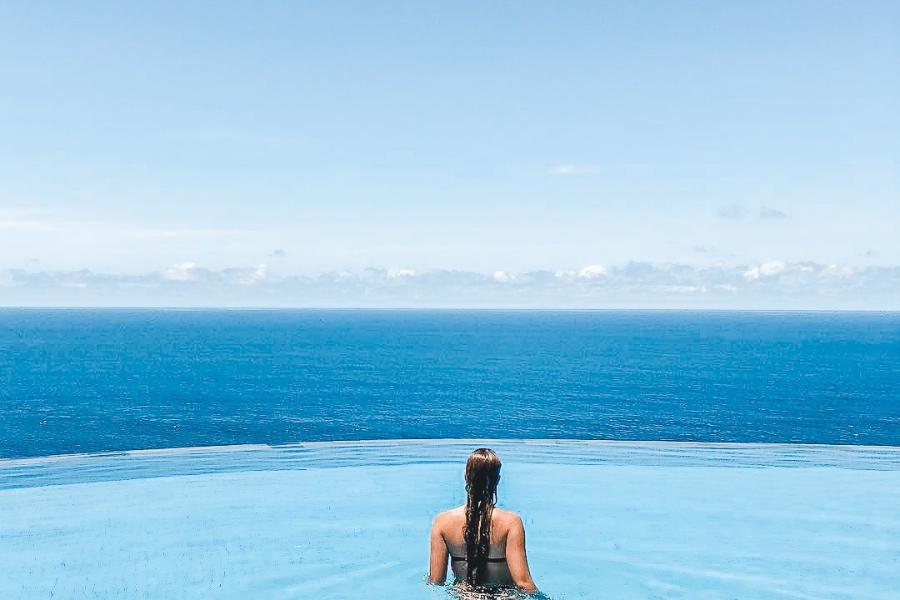
Franky Wah · Savaya
Saturday 24 October · Times on the ticket page · Savaya Bali, Uluwatu
Parties, markets, live music, wellness classes and ceremonies across the island, collected from venues and ticketing partners every morning.
Indicative positions · open directions for the exact address
Saturday 24 October · Times on the ticket page · Savaya Bali, Uluwatu
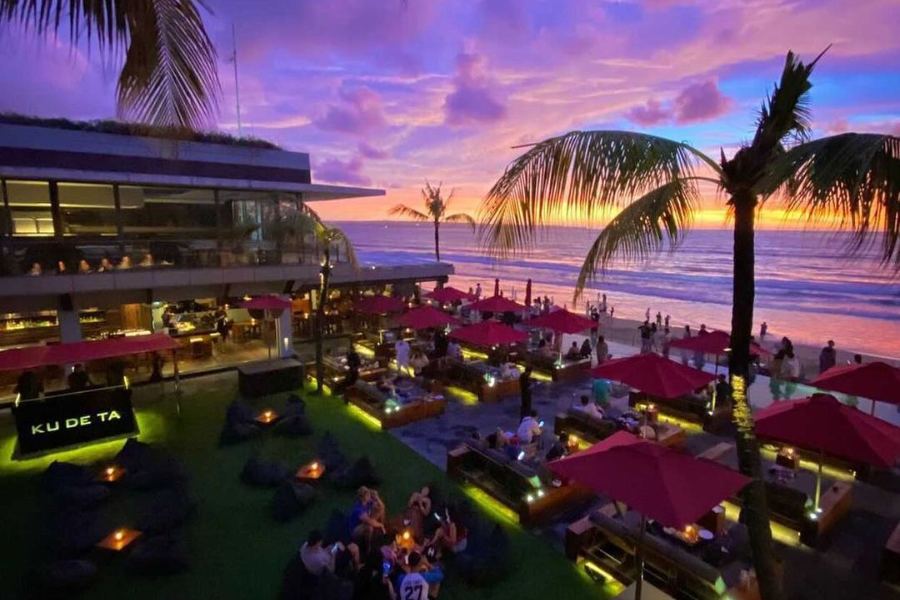
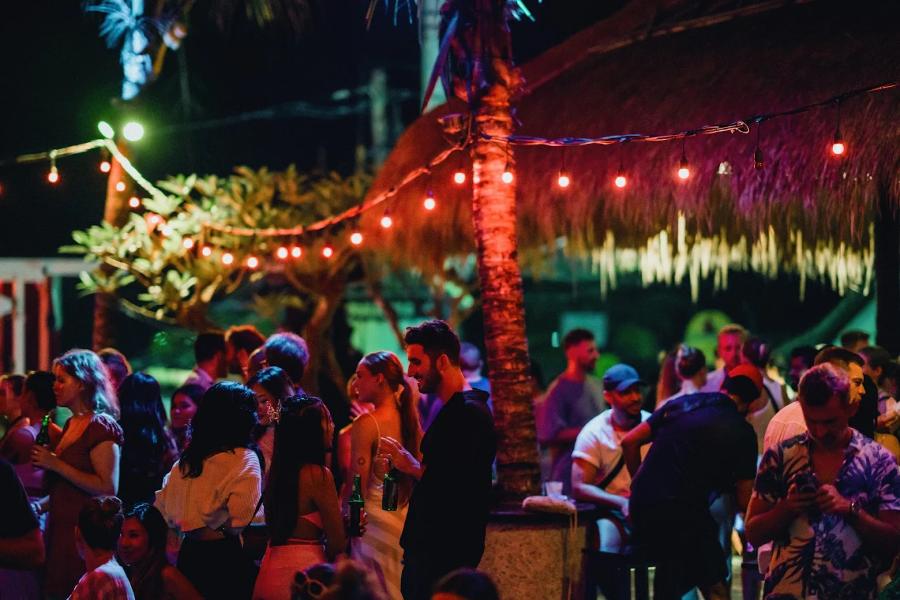
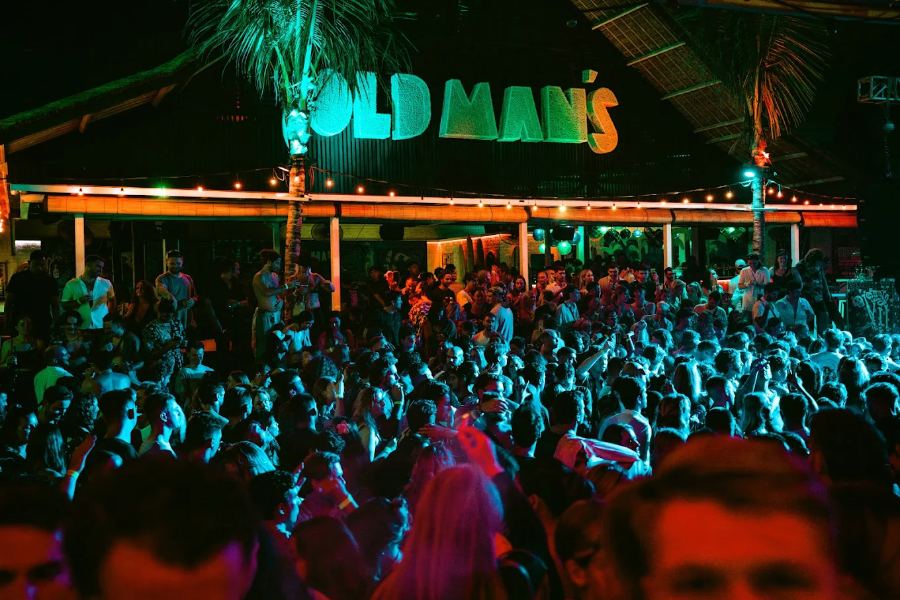
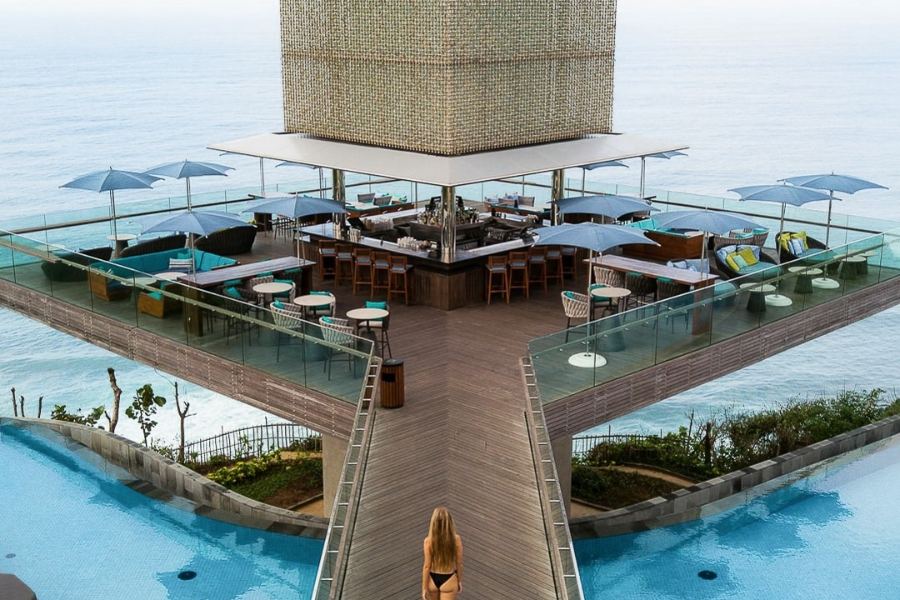
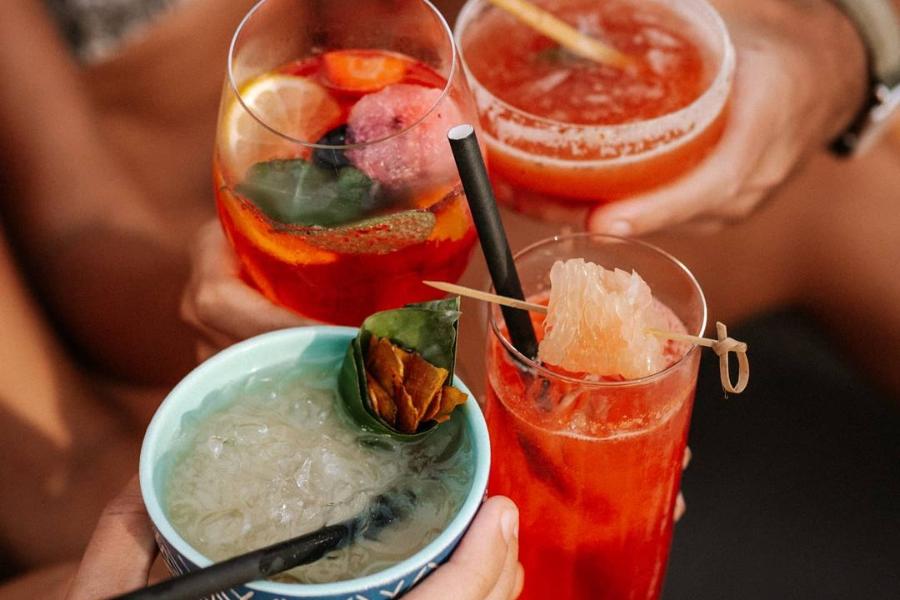
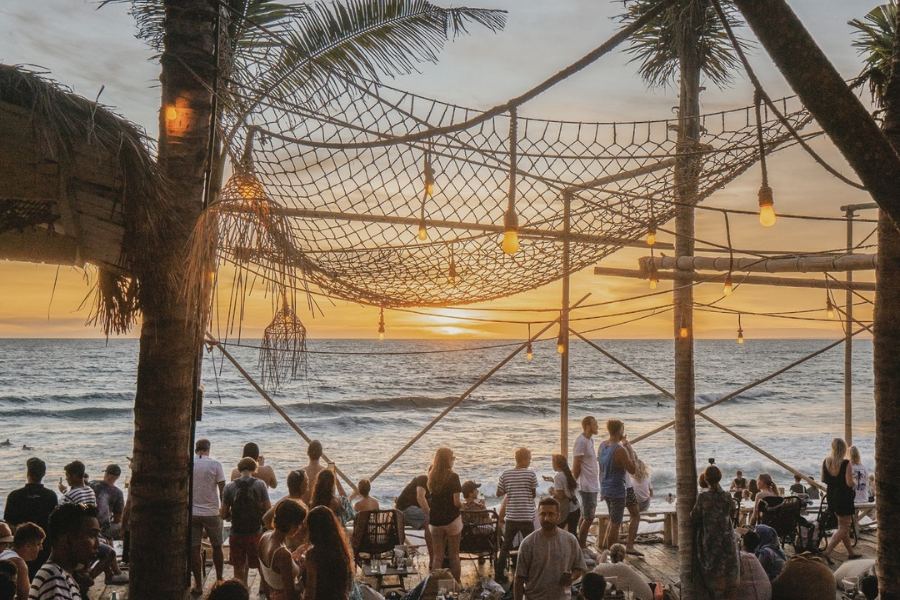
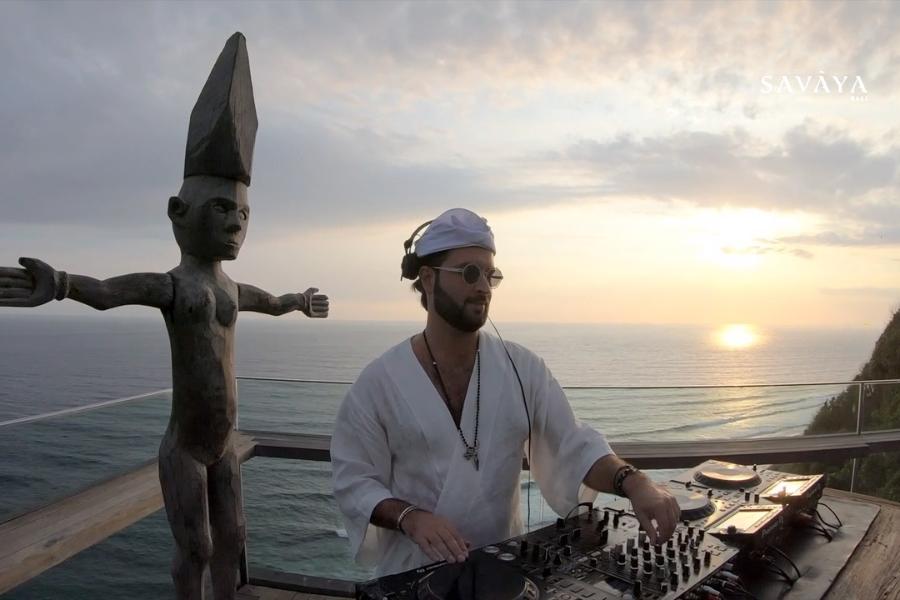
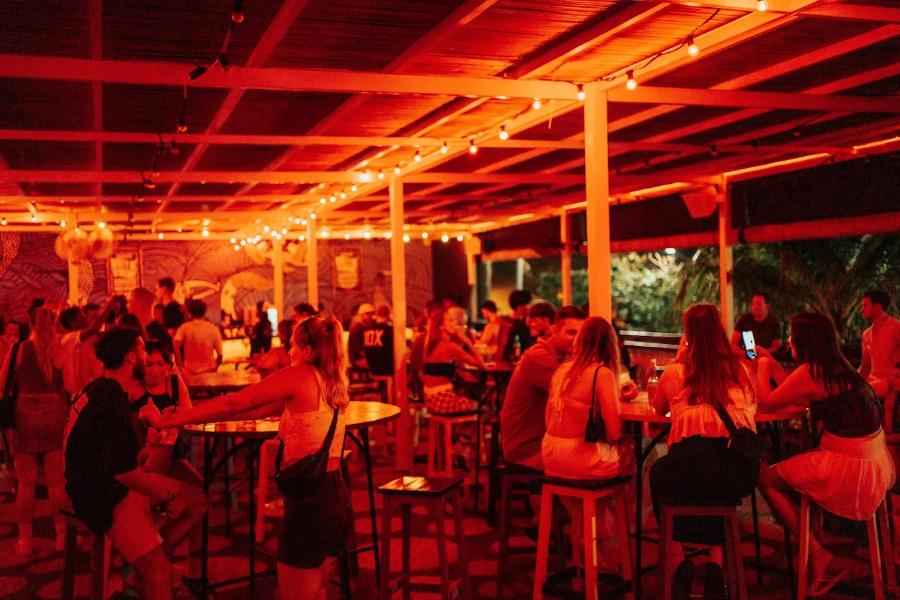
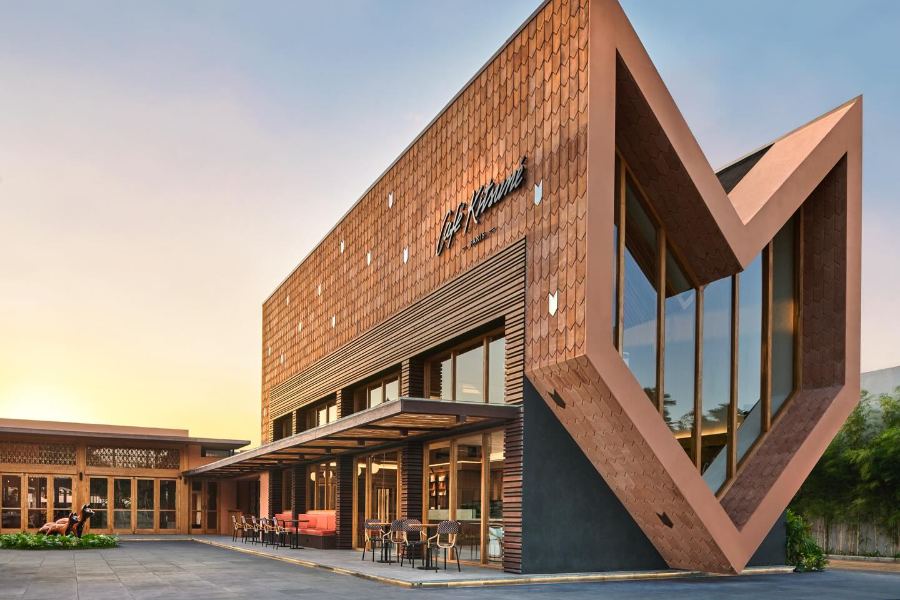
Uluwatu has the big clifftop beach clubs and international DJs. Canggu runs on weekend markets, run clubs and sunset sessions. Ubud is where you catch dance performances and temple ceremonies. The agenda above covers all three and archives past events automatically.
The agenda gathers events from venues and organisers across the island and updates itself, so check the date and the venue before you go: times can move at the last minute. In Canggu and Berawa, evenings revolve around venues such as Desa Kitsuné, Atlas Super Club, The Lawn and Old Man's. In Uluwatu, beach clubs and bars such as Savaya, Single Fin and Club Corazon host sunset sessions and DJ nights. Seminyak has Potato Head and The Stage Bali. Ubud is quieter at night but offers a Legong dance every evening at the palace.
A few large events return each year. The Bali Spirit Festival, devoted to yoga, dance and music, is held in Ubud in spring, around April. The Ubud Food Festival usually takes place at the end of May. The Bali Arts Festival, Pesta Kesenian Bali, runs for about a month from mid-June to mid-July at the Taman Budaya Art Centre in Denpasar, with daily dance, music and craft programmes. The Ubud Village Jazz Festival is held in August at the ARMA Museum, and the Ubud Writers & Readers Festival in October. Kite festivals fill the skies over Denpasar in the windy dry season.
Nyepi, the Balinese New Year, usually falls in March. For 24 hours the whole island stops: the airport closes, no one may go out, and hotels ask guests to stay inside with low lights. The evening before, villages parade ogoh-ogoh, giant papier-mâché figures, through the streets. Galungan and Kuningan come back every 210 days, following the Balinese pawukon calendar, and decorate roads with tall bamboo penjor. Temple ceremonies take place all year. Visitors are welcome to watch respectfully, dressed in a sarong and sash, without blocking processions.
Traffic is heaviest on Friday and Saturday evenings between Canggu, Seminyak and Uluwatu, so pick events near your base or book a driver. Large beach clubs often require advance booking for daybeds and tables, and some parties sell tickets only online. Dress codes vary: beachwear is fine by day, but some clubs refuse it at night. Bring cash for smaller markets. If you are unsure which event fits your group, Bali Reply's local agent can suggest options and handle bookings on WhatsApp.
Check the agenda on this page, which updates automatically with parties, markets, classes, concerts and festivals. On weekends, Canggu, Berawa and Uluwatu host the busiest DJ nights and sunset sessions, while Ubud offers dance performances every evening and regular cultural events. Confirm times with the venue, as they can change.
Nyepi follows the Balinese saka calendar and usually falls in March; in 2026 it was on 19 March. For 24 hours flights and transport stop, the airport closes and everyone stays indoors with lights low. The ogoh-ogoh parades take place the evening before. Check the exact date before booking a trip around it.
The Bali Spirit Festival in Ubud around April, the Ubud Food Festival at the end of May, the Bali Arts Festival in Denpasar from mid-June to mid-July, the Ubud Village Jazz Festival in August and the Ubud Writers & Readers Festival in October. Kite festivals take place in the dry season around Denpasar.
Canggu and Berawa have the densest nightlife, with Atlas Super Club, Desa Kitsuné, The Lawn and Old Man's. Uluwatu is known for clifftop beach clubs such as Savaya and late bars like Single Fin and Club Corazon. Seminyak has Potato Head and The Stage Bali. Ubud is calmer and closes earlier.
Yes, as long as you stay respectful. Wear a sarong and sash, keep your shoulders covered, do not walk in front of people praying or step over offerings, and keep a distance from processions. Ask before taking close-up photos. Large public moments such as the ogoh-ogoh parades before Nyepi are open to everyone.